The Theater of Sinners
Play The Theater of Sinners
The Theater of Sinners Screenshots
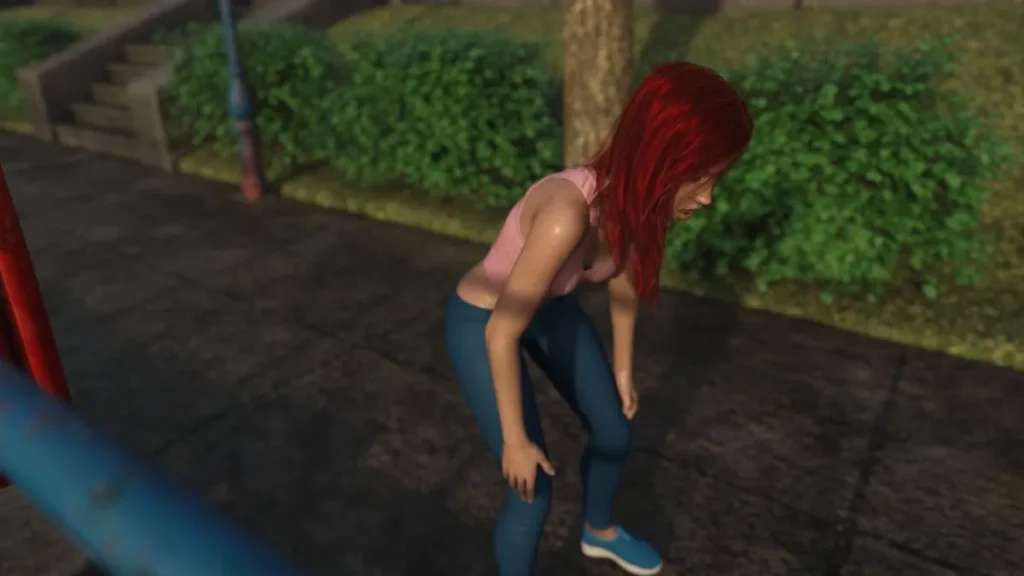
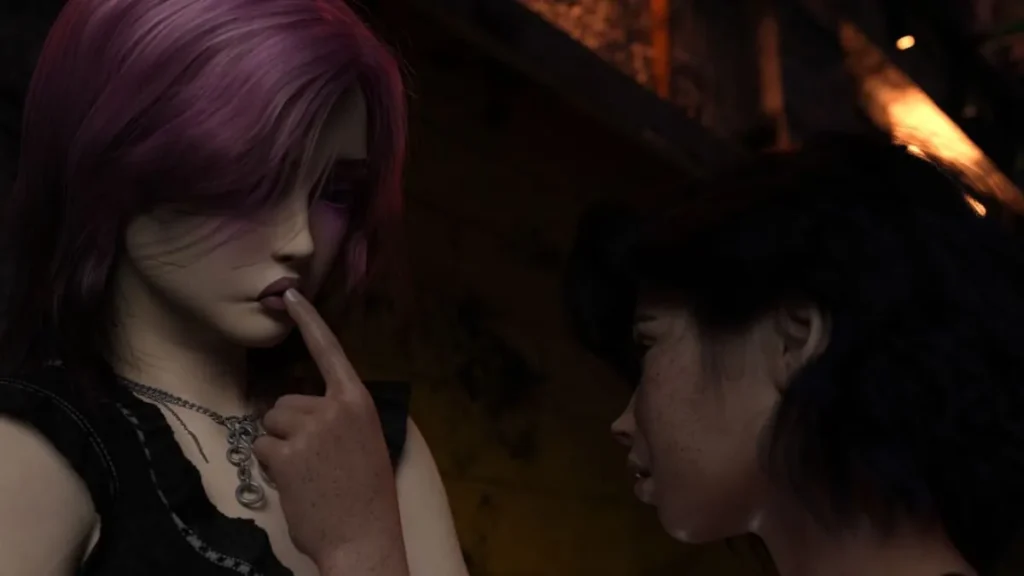
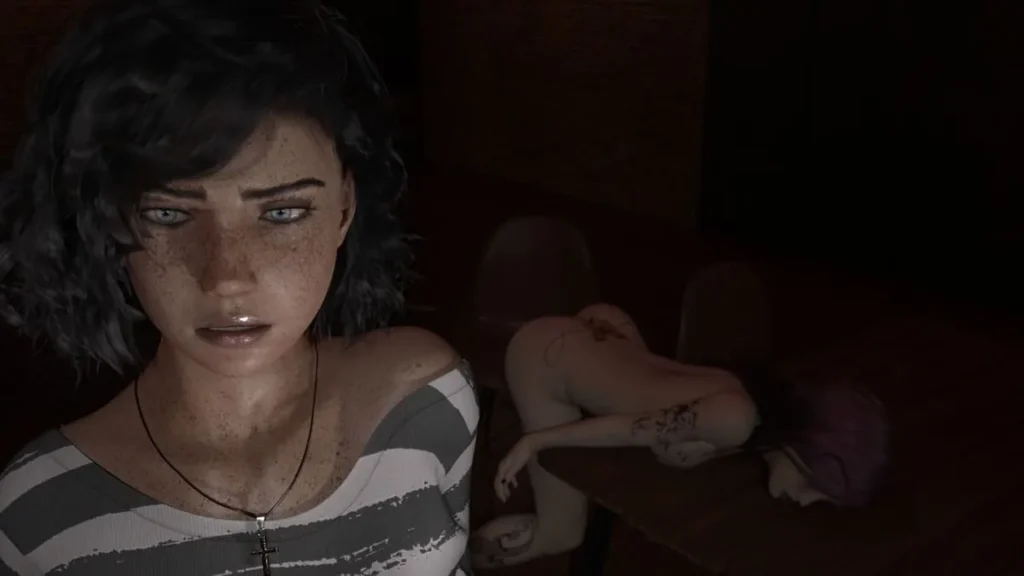


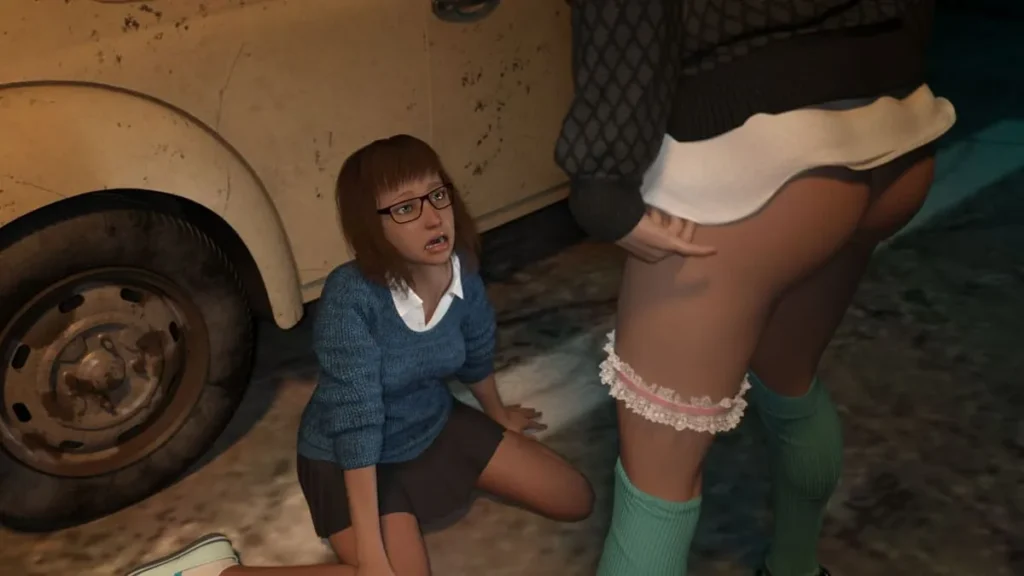
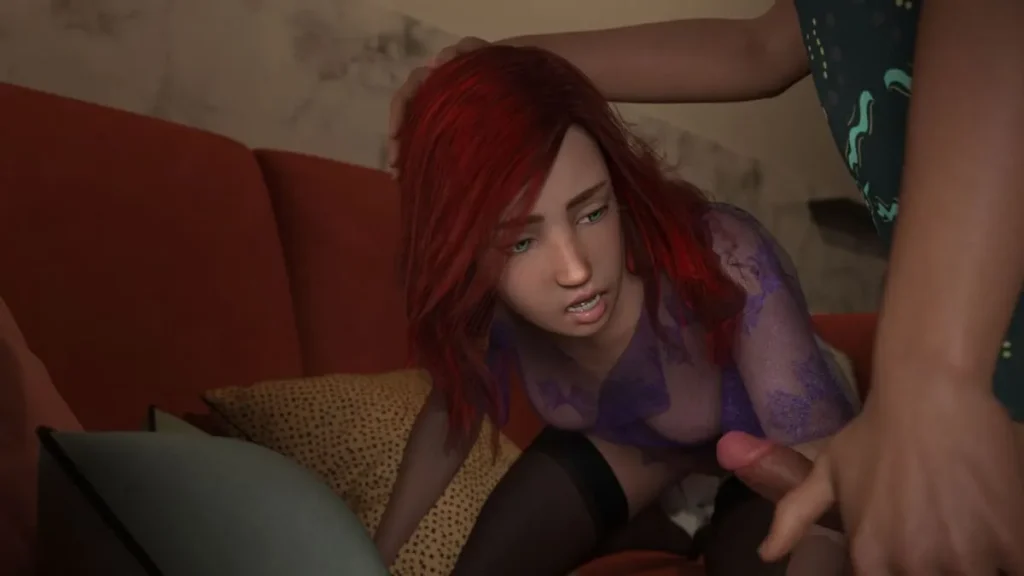
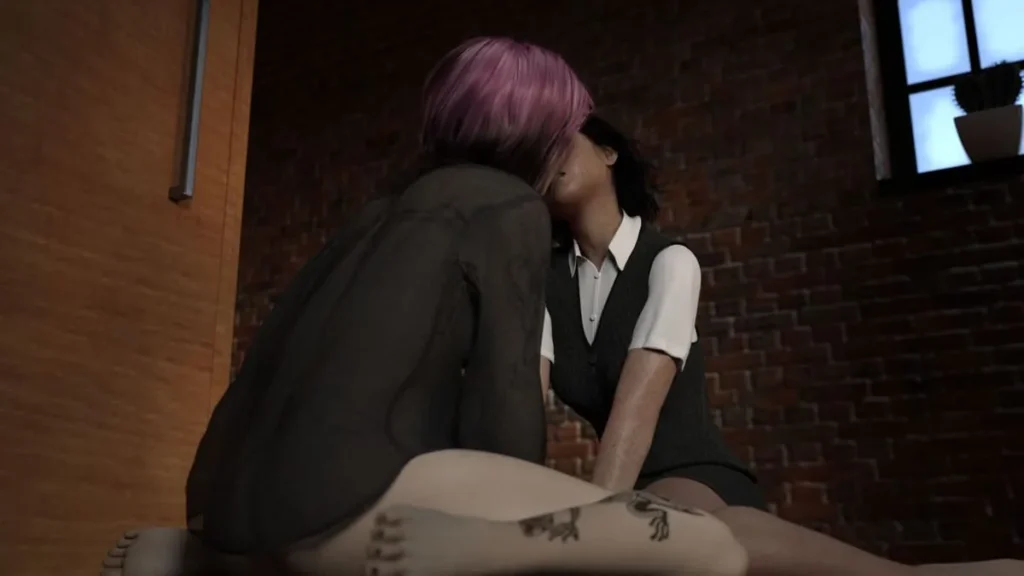
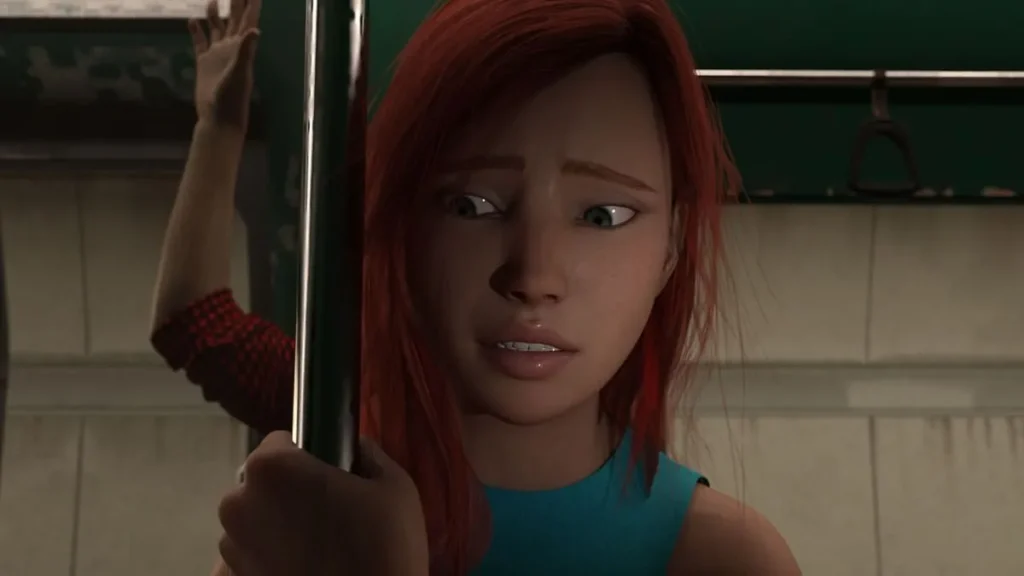
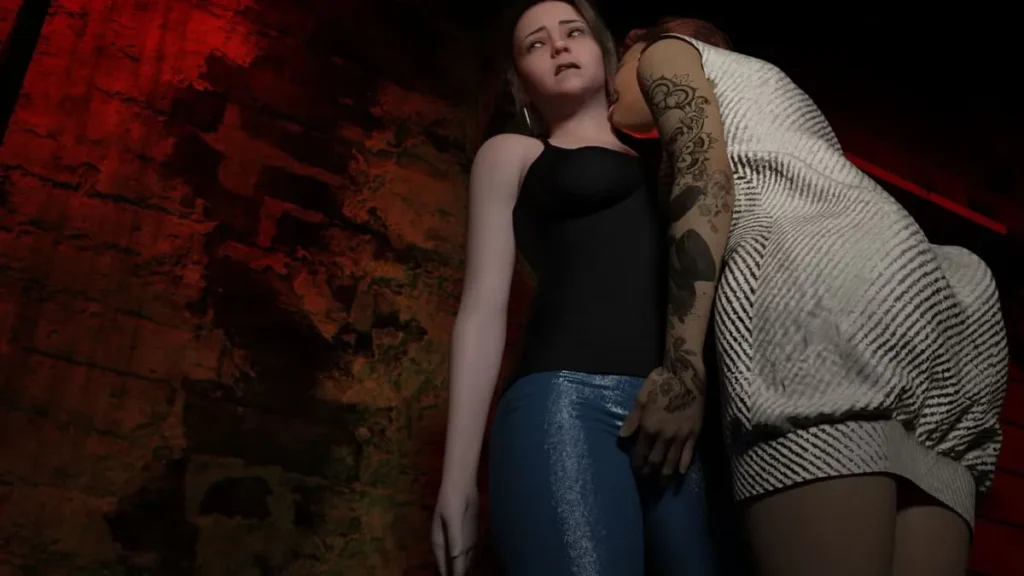
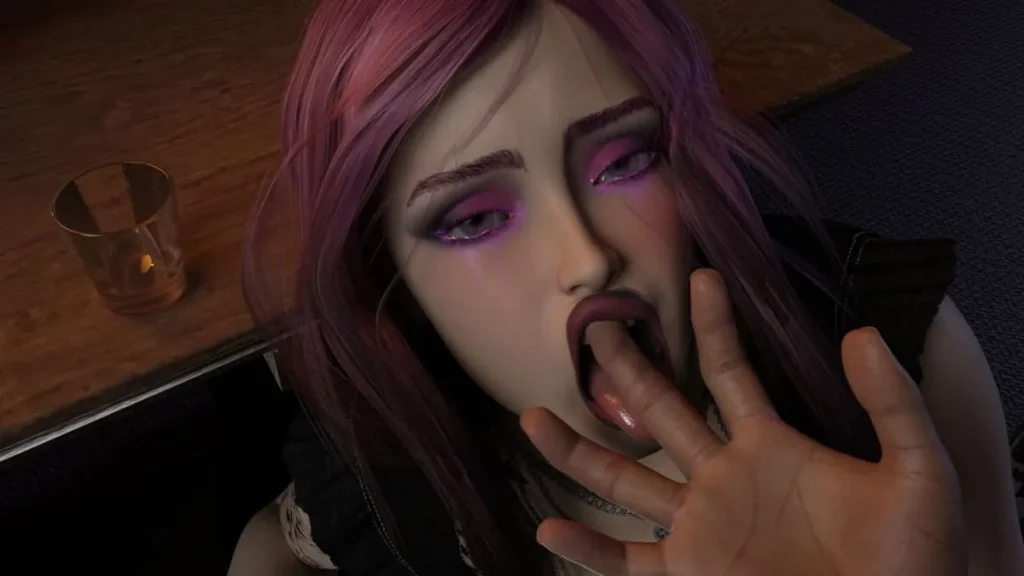
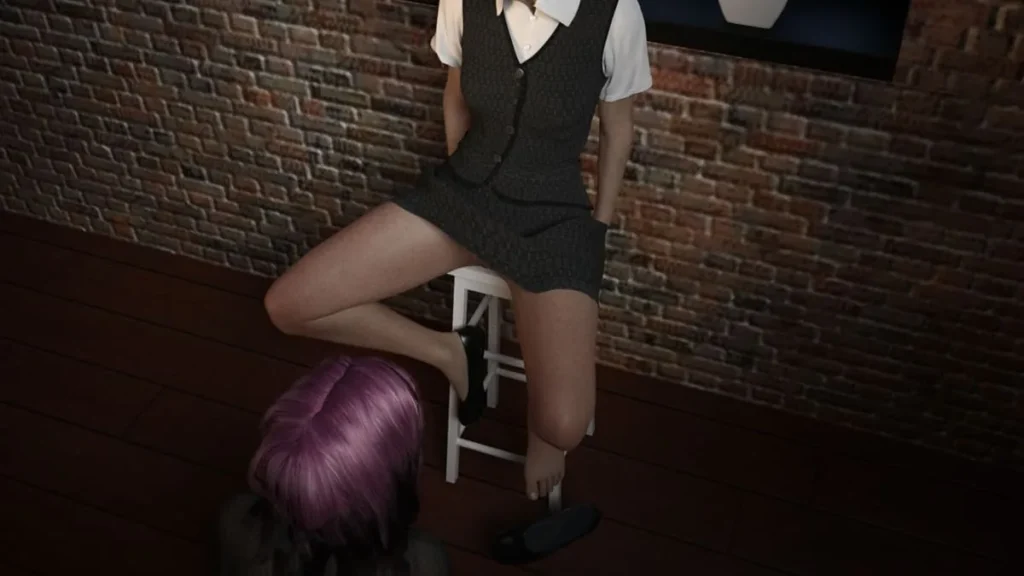
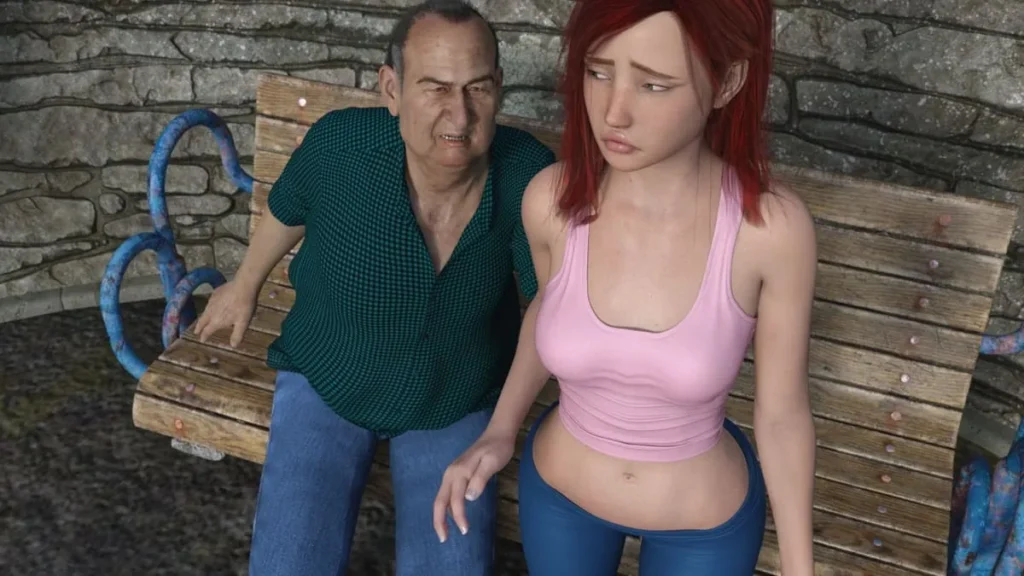
The Theater of Sinners review
Dive into the twisted tales of humiliation and corruption in this gripping Ren’Py game
Ever stepped into a world where every choice drags you deeper into a web of humiliation, corruption, and brutal desires? That’s The Theater of Sinners, the chilling Ren’Py visual novel from JustXThings that’s got players hooked on its psychological fantasy horror. Version 0.3 Alpha 1 thrusts you into the lives of protagonists like Paula and Rebeca, navigating moral gray areas amid abuse and twisted relationships. I first stumbled upon it late one night, expecting light entertainment, but two hours in, I was gripped by the raw realism—those strained facial expressions and branching decisions felt eerily personal. If you’re into dark narratives with BDSM elements and non-linear storytelling, this Theater of Sinners game will test your limits. Let’s unpack why it’s a must-play.
What Makes The Theater of Sinners Uniquely Addictive?
I still remember the first time I truly understood what The Theater of Sinners was about. It wasn’t during the opening credits, or the first eerie musical cue. It was about twenty minutes in, staring at a seemingly simple dialogue choice for Paula. A group of delinquents had her cornered, and I was given two options: a defiant retort or a quiet submission. Thinking I was being “smart,” I chose defiance. 😬 The result wasn’t a cool comeback or a sudden rescue. It was a slow, brutal escalation of humiliation that left me staring at the screen, my cursor hovering over the ‘Save’ button I’d foolishly ignored. That moment, where a choice blooms into unexpected brutality, is the heart of this Ren’Py visual novel. You’re not just reading a story; you’re conducting a symphony of pain, and every note is a decision you make.
So, what is The Theater of Sinners? At its core, it’s a masterfully crafted psychological horror visual novel built in Ren’Py, where you navigate the interwoven, shattered lives of four protagonists. This isn’t about good versus evil. It’s about survival, corruption, and the terrifyingly thin line between victim and perpetrator. The Theater of Sinners game pulls you into a world of profound moral gray areas in games, asking not “what is right?” but “what are you willing to become?”
Unraveling the Core Premise and Narrative Depth
The genius of the Theater of Sinners narrative lies in its foundation. You aren’t following one hero’s journey, but piecing together four tragic, interlocking biographies. Each character is a prisoner of their circumstances, and your choices determine how they bend—or break—under the pressure.
Take Paula, the daughter of a powerful, neglectful figure. Bullied relentlessly, she’s pushed toward deviance not by a single event, but by a hundred small cuts. Your decisions shape whether she internalizes that hate or weaponizes it. Then there’s Rebeca, who grew up in the shadow of an addict mother and an abusive step-father. Her story is a chilling exploration of the cycle of abuse: will she break free, or inevitably become what she hates most? 😨
The narrative doesn’t unfold in a straight line. It’s a tapestry of non-linear storytelling, weaving present-day tensions with haunting flashbacks. You can play events in almost any order, and this is not a gimmick. Discovering a character’s traumatic past after you’ve made a pivotal choice for them in the present can reframe everything, filling you with a chilling sense of hindsight. This structure makes the Theater of Sinners narrative feel less like a book you read and more like a crime scene you’re investigating, where every clue is a piece of someone’s broken soul.
As one developer insightfully noted, the focus is on “telling a dark, compelling story where themes like humiliation and corruption aren’t just fetishes, but narrative tools to explore broken psychology and consequence.”
This approach elevates the material. The kinks aren’t the point; they are the language through which power dynamics, vulnerability, and corruption are expressed. It’s this commitment to narrative depth that separates this from simpler titles.
Why Player Choices Drive Brutal Consequences?
This is where the addiction sets in. The Theater of Sinners is the epitome of a branching storylines visual novel, but with a crucial, ruthless twist: stat-raising decisions. You aren’t just picking Plot A or Plot B. You are constantly, subtly, building invisible attributes for each character—their Resilience, their Corruption, their Submission, their Defiance.
That “simple” dialogue choice with Paula? It wasn’t about the immediate text. It was about nudging her “Defiance” stat one point higher, which five scenes later will unlock a completely different, much harsher branch of confrontation I was utterly unprepared for. There are no flashing warnings. The game trusts—and forces—you to live with the domino effect of your decisions. 🎭
The branching storylines don’t just lead to “good” or “bad” endings. They spiral toward outcomes that are harsher or milder, more corrupt or more resilient. A “milder” outcome might still be deeply tragic, just in a quieter, more psychologically resonant way. This system creates an unparalleled sense of realism. It mirrors life: small attitudes shape major crossroads.
Here’s a quick breakdown of the key mechanics that make your choices matter:
- Invisible Stat Tracking: Every dialogue and action choice influences hidden personality stats for each character.
- Flexible Event Ordering: Play through character episodes in your preferred sequence, discovering connections at your own pace.
- Branching Narrative Outcomes: Major story beats split based on stat thresholds, leading to vastly different scenes and conclusions.
- Milestone Unlocks: Certain endings or pivotal scenes are only accessible after experiencing specific combinations of events across all characters, emphasizing the interconnected web of the story.
My number one piece of practical advice? Save often, and in multiple slots. This isn’t a game you “reload” to get the perfect outcome on the first try. It’s a game you experience, sit with the discomfort of your results, and then revisit from the start to see how a different you—a different attitude—shapes a different character. Also, don’t rush the dialogue. The psychological horror often lurks in the subtext, in a character’s slight facial twitch or a line of dialogue that seems benign until a later reveal casts it in a horrifying new light.
Exploring the Psychological Horror Elements
Forget jump scares and monsters. The psychological horror visual novel genre finds one of its purest and most unsettling expressions in The Theater of Sinners. The horror here is atmospheric, intimate, and rooted in terrifyingly relatable human failures.
The tools are masterful:
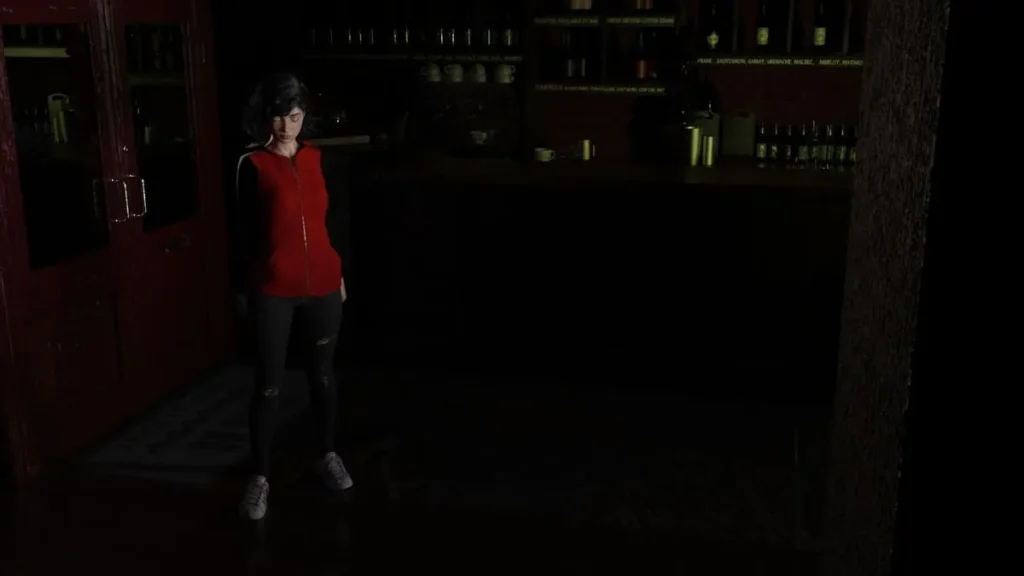
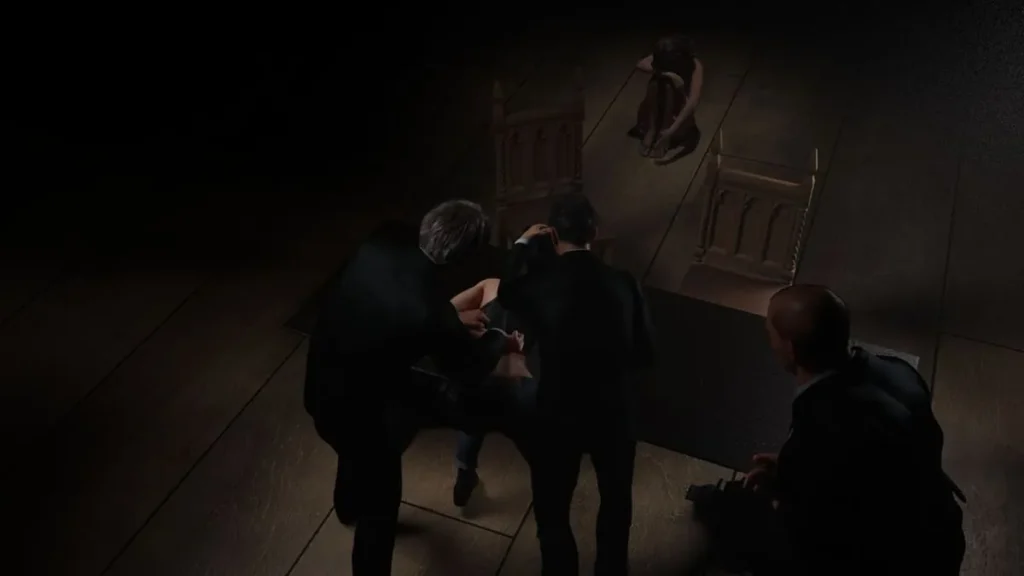
* Atmospheric Dread: The art style uses shadows and color palettes brilliantly. A “safe” room can feel claustrophobic and oppressive, while a flashback to a sunny childhood moment is often undercut by a dissonant, melancholic piano track.
* Unsettling Imagery: It’s rarely graphic in a gory sense. The terror is in the implication—a knowing look, a threatening posture, a scene that cuts away at the worst possible moment, leaving your imagination to paint the picture. 🖼️
* Haunting Sound Design: The soundtrack is a character in itself. Silences are heavy, and the music swells not for action, but for moments of profound emotional rupture or creeping realization.
But the true horror stems from the themes. This is a game about the cycle of pain—how hurt people, in turn, hurt people. It’s about the crushing weight of guilt and the ways we justify our own corruption to survive. It presents moral gray areas in games not as a philosophical debate, but as a lived, breathing prison for its characters. You’ll find yourself making a choice not because it’s “right,” but because it’s the only option left that offers a character some semblance of agency, even if that agency is self-destructive.
In my opinion, the most terrifying element is the realism in the human reactions. The facial expressions, the voice acting (where present), the writing—it all sells the devastating humanity of these moments. When a character breaks, you believe it. When they make a vile choice, you understand the twisted path that led them there. That’s what makes it terrifyingly immersive. You’re not watching a horror movie; you’re holding the script, and the actors are looking to you for direction.
So, are you ready to step into the director’s chair? To meet Paula, Rebeca, and the others, and guide them through their darkest hours? Remember, in this theater, the most shocking twist isn’t in the script—it’s the choices you’ll find yourself making when the lights go down. The stage is set. The Theater of Sinners awaits your command. 😈
From the haunting depths of The Theater of Sinners‘ narrative to its unflinching dive into corruption and tough choices, this game lingers long after you close it. I keep replaying to explore those missed branches, each time uncovering more about Paula, Rebeca, and their fractured worlds—it’s a reminder that in gray morals, we’re all directors of our own dramas. If the mix of psychological tension and raw dynamics pulls you in like it did me, grab version 0.3 Alpha 1 from itch.io today. Dive into the shadows, shape their fates, and see where your decisions lead. Your next playthrough awaits—what path will you choose?