The Pilgrimage
Play The Pilgrimage
The Pilgrimage Screenshots
The Pilgrimage review
Master Filcius’ Tactical Adventure with Anaya’s Epic Journey
Ever stumbled upon a game that blends tactical battles, deep faith-shaking stories, and captivating characters like Anaya the rebel circus performer? That’s ‘The Pilgrimage’ by Filcius on itch.io. I first discovered it during a late-night itch.io browse, hooked instantly by Thomas’ quest to resurrect his wife via holy artifacts. Join me as we dive into this ATB-style tactical gem where positioning heals, damages enemies, and sparks identity crises amid religious wars. Whether you’re dodging forced marriages or purging heresies, this guide uncovers everything to enhance your playthrough.
What Makes The Pilgrimage Gameplay So Addictive?
I still remember my first real battle in The Pilgrimage. 😅 I’d just gotten my party together—Filcius, Anaya, and the others—and wandered into a fight with some aggressive forest spirits. I just clicked on attacks as they lit up, watching the chaos unfold. My healer was constantly overwhelmed, Anaya was getting swarmed, and it felt like I was just watching my team lose. I was ready to call it quits. But then, I stumbled upon the secret: The Pilgrimage gameplay isn’t about frantic clicking; it’s about thoughtful, tactical command. Once I learned to harness its systems, that frustration turned into the most satisfying victory I’d had in a game in ages. What changed? I stopped playing it like a brawler and started playing it like a general.
The magic—and the addictiveness—lies in how the game layers strategy onto every second of combat. It’s not just about what skill you use, but when, where, and on whom you use it. Mastering this turns you from a spectator into the architect of every epic victory. 🏆
How Does the ATB Tactical System Work?
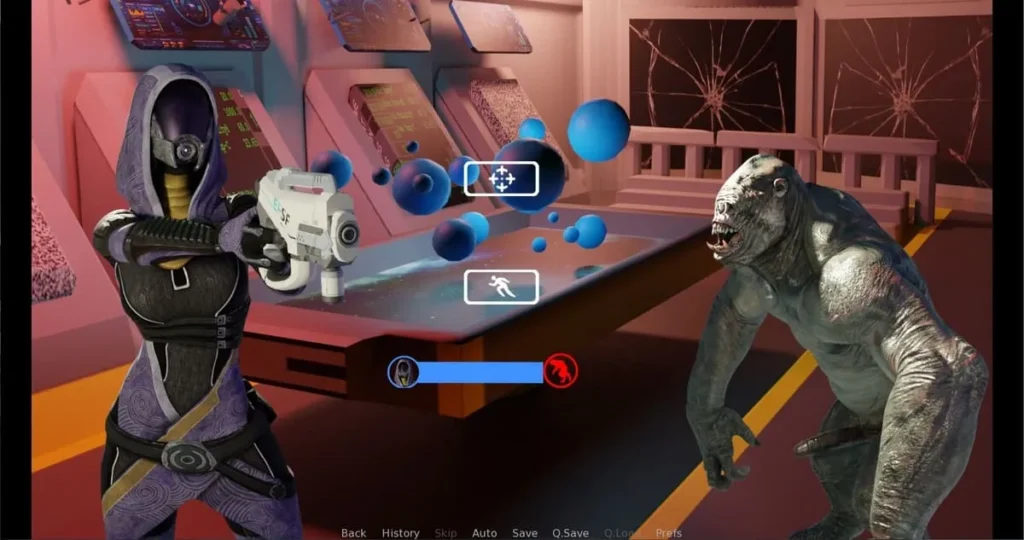
At the heart of everything is the brilliant ATB tactical system. You’ll see those familiar gauges filling up for each character and enemy on the side of the screen. But here’s the twist that makes The Pilgrimage so special: time doesn’t have to control you. When any gauge is full, the action doesn’t happen automatically. Instead, the world enters a tactical pause, letting you catch your breath and plan.
This is your key to how to pause battles in The Pilgrimage. It transforms pressure into possibility. You can survey the entire field, assess threats, line up combos, and queue commands for your entire party in a moment of frozen time. Think of it as your personal war room. Want Filcius to taunt the big brute right before Anaya lands a massive strike on it? Need to ensure your healer’s spell goes off just after the enemy’s area attack? The paused ATB system lets you choreograph these moments perfectly.
Pro Tip: Get into the habit of pausing not just when a gauge is full, but anytime you feel the situation shifting. See a group of enemies clustering? Pause. Notice a party member’s health dipping low? Pause. This constant micro-management is the core of advanced The Pilgrimage gameplay.
Here are 5 key battle tips to practice with the ATB system:
* Pause Early, Pause Often: Use the pause feature to stop time and assess before issuing any command.
* Queue Combos: Plan sequences of abilities that work together, like a defense debuff followed by a heavy-hitting attack.
* Monitor Enemy ATB: Keep a close eye on enemy gauges to anticipate and interrupt their dangerous moves.
* Heal Proactively: Don’t wait for health bars to be red. Heal right after a big enemy strike lands.
* Manage Your Momentum: Sometimes delaying an action by a second can set up a perfect chain reaction with another character’s move.
Mastering Positioning for Damage and Healing
If the ATB system is the when, then positioning in The Pilgrimage is the where—and it’s a game-changer. Your characters and enemies aren’t just icons; they exist in a tangible space on the battlefield. This isn’t just for show; distance and formation directly impact the effectiveness of almost every action.
This spatial awareness is crucial for damage optimization in The Pilgrimage. Many of Anaya’s most powerful spear skills, for instance, are close-range abilities that hit in a cone or arc in front of her. If she’s not standing right up against her primary target, she’ll miss entirely or hit fewer enemies. Conversely, your spellcasters want clear lines of sight and distance from the fray. Healing spells often have a radius, so clustering your injured party members together before casting a big heal maximizes its value.
The tactical depth here is immense. You might pull a fragile enemy caster into your melee fighters’ range, or reposition your tank to physically block a corridor, limiting how many enemies can reach your backline. Mastering positioning in The Pilgrimage means constantly dancing your party around the battlefield, not just targeting the nearest foe.
Unlocking Area Effects and Ground Targeting
This is where the tactical puzzle gets truly spectacular. Once you understand positioning, you can start exploiting the two most powerful tools in your arsenal: area of effect skills and ground targeting attacks.
Area of effect skills (or AoE) are abilities that hit multiple targets within a specific range or pattern. These are your bread and butter for controlling groups. But the secret is understanding their shapes. Some explode from your character. Others, like a warrior’s cleave, hit all enemies in a wide arc. The goal is to maneuver enemies—using taunts, knockbacks, or their own AI—into these deadly formations before you strike.
Then, we have the pinnacle of tactical control: ground targeting attacks. ✨ These allow you to place a reticule or circle anywhere on the battlefield. After a brief delay, hell rains down on that exact spot. This is your tool for surgical strikes, environmental combos, and hitting enemies who think they’re safe in the back. You can drop a fiery explosion between two enemy archers to hit them both, or lay a zone of slowing frost right in the path of an oncoming wave.
To visualize the difference:
| Skill Type | Range | Primary Effect |
|---|---|---|
| Area of Effect (AoE) | Centered on caster or a first-hit target | Damages/heals multiple units in a fixed radius or pattern. |
| Close Range | Melee distance, often a cone or frontal arc. | High damage to primary target and adjacent enemies. |
| Ground Target | Any visible point on the battlefield. | Delayed effect placed on a chosen location, ideal for prediction and zoning. |
In one memorable battle, I used Filcius to taunt a pack of creatures, pulling them into a tight cluster. While they were focused on him, I paused, positioned Anaya to their flank, and queued her sweeping spear skill. Then, I placed a ground-targeted lightning strike right on the spot I knew they’d be in two seconds. The result? A beautiful, synchronized explosion of damage numbers that cleared the field. The flavor text that popped up—“Like autumn leaves before the storm”—was just the perfect cherry on top. 🍃⚡
So, for any beginner feeling overwhelmed, here’s your actionable advice: Embrace the pause. Use that frozen time to look not just at health bars, but at the battlefield itself. Ask yourself: “Can I get them closer together? Can I hit more targets? Can I place my damage where they will be, not where they are?” When you start thinking in terms of space, time, and prediction, that’s when The Pilgrimage gameplay reveals its true, incredibly addictive genius. You’re not just fighting; you’re conducting a symphony of steel and spell.
From Thomas’ doubt-filled quest to Anaya’s rebellious escape amid burning circuses, ‘The Pilgrimage’ delivers tactical depth and emotional storytelling that kept me replaying for hours. We’ve covered the ATB battles, character arcs, and strategic positioning that make it shine. My top takeaway? Embrace the faith crises—they unlock the real narrative gold. Dive in today, experiment with ground-targeted skills, and share your wildest playthrough stories in the comments. Ready to lead your team to victory? Download now and start your pilgrimage.