
Play Stellar Dream
Stellar Dream Screenshots
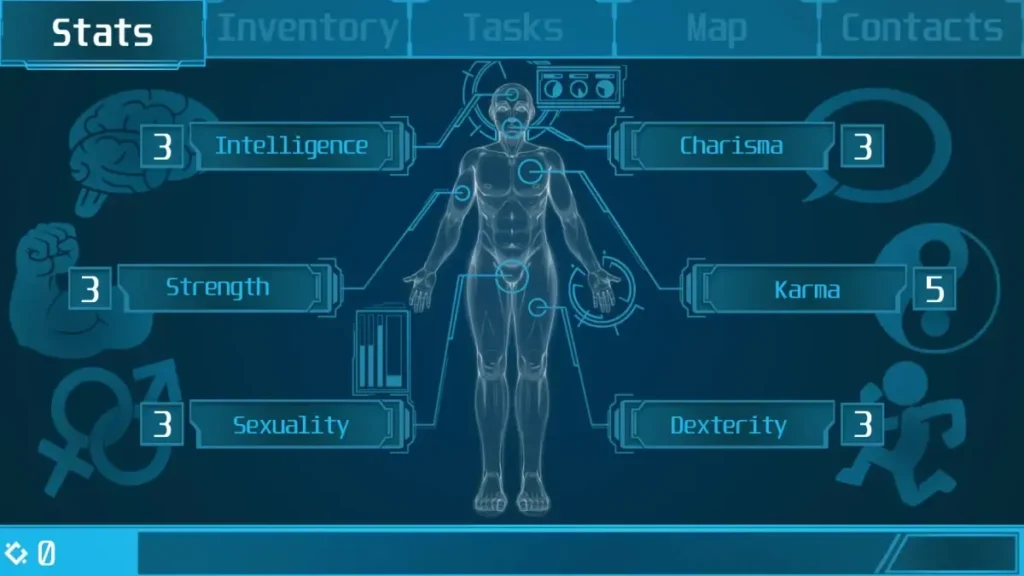


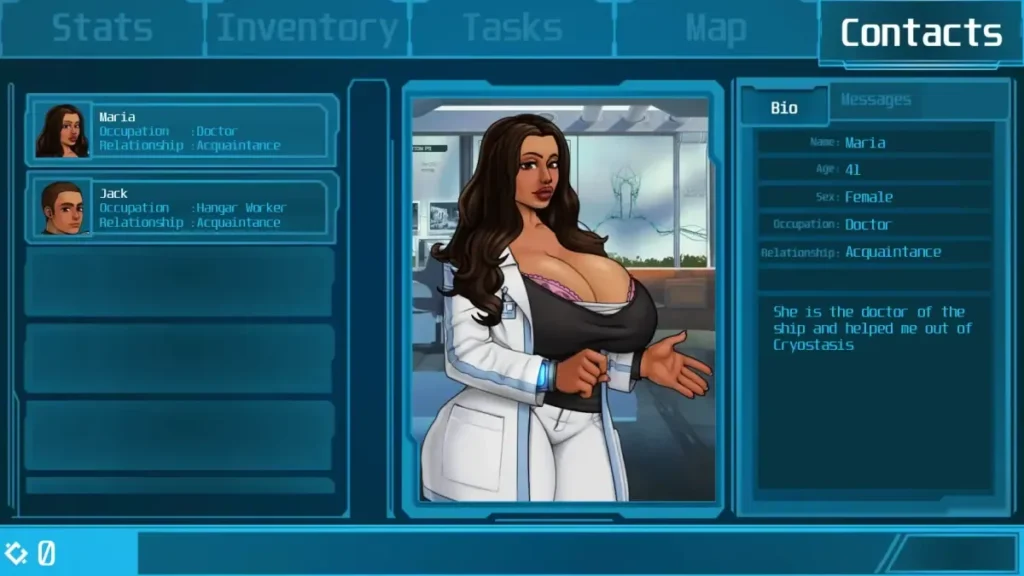



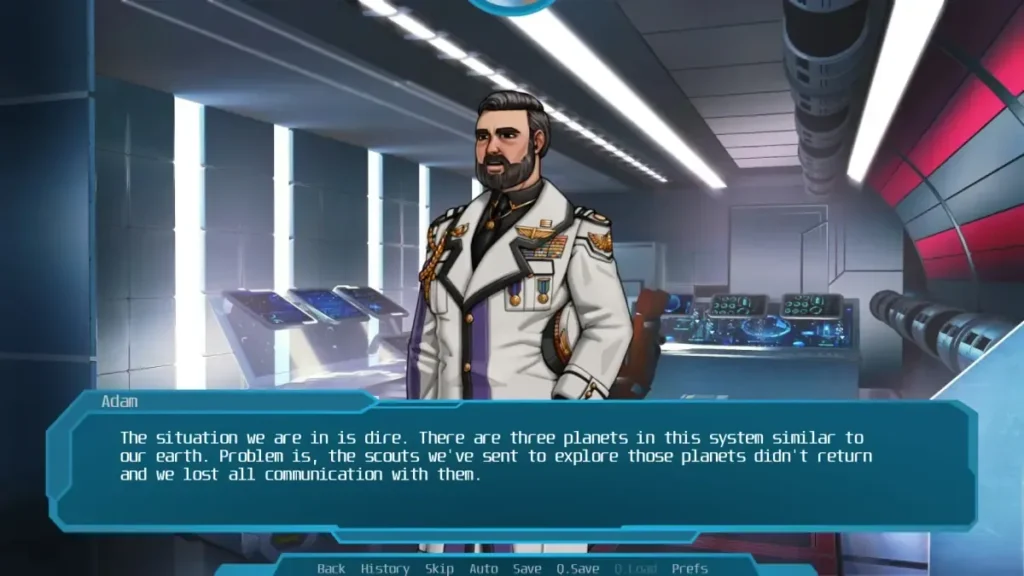




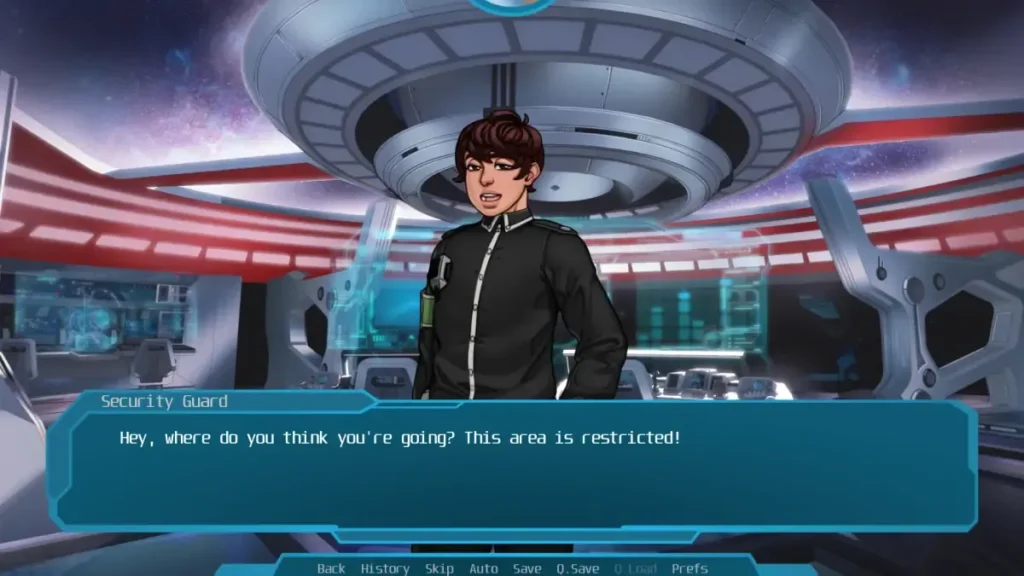
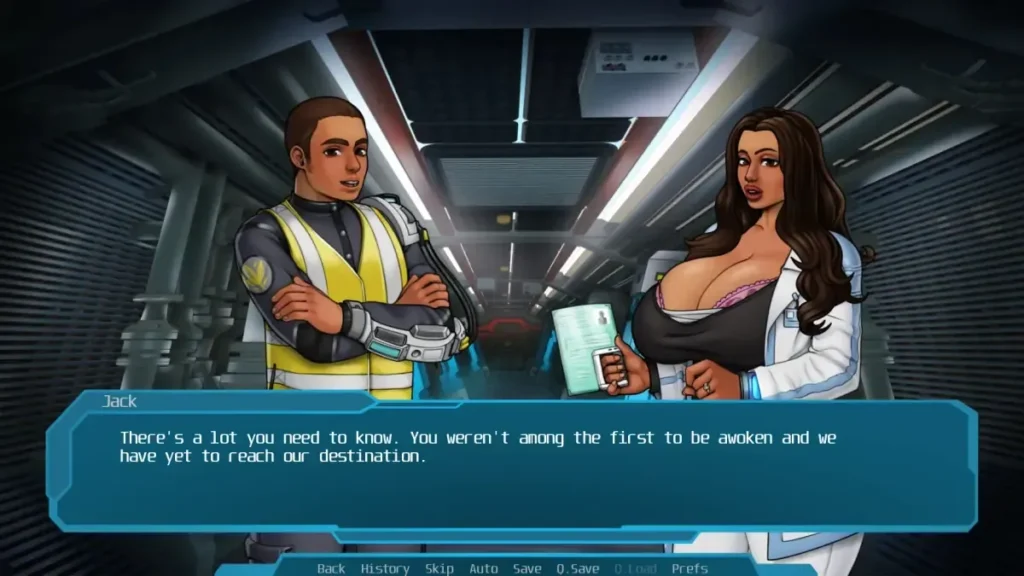
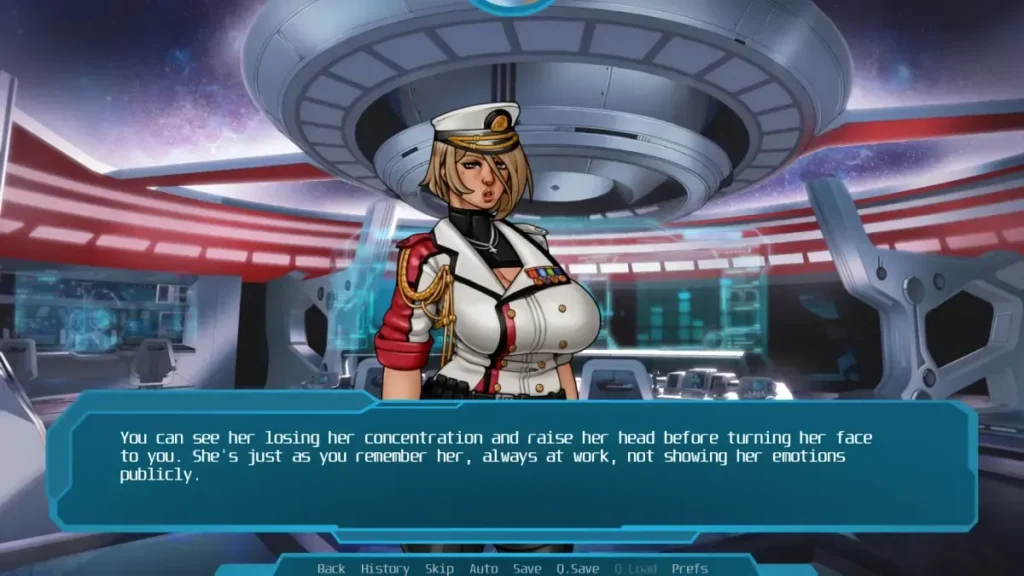
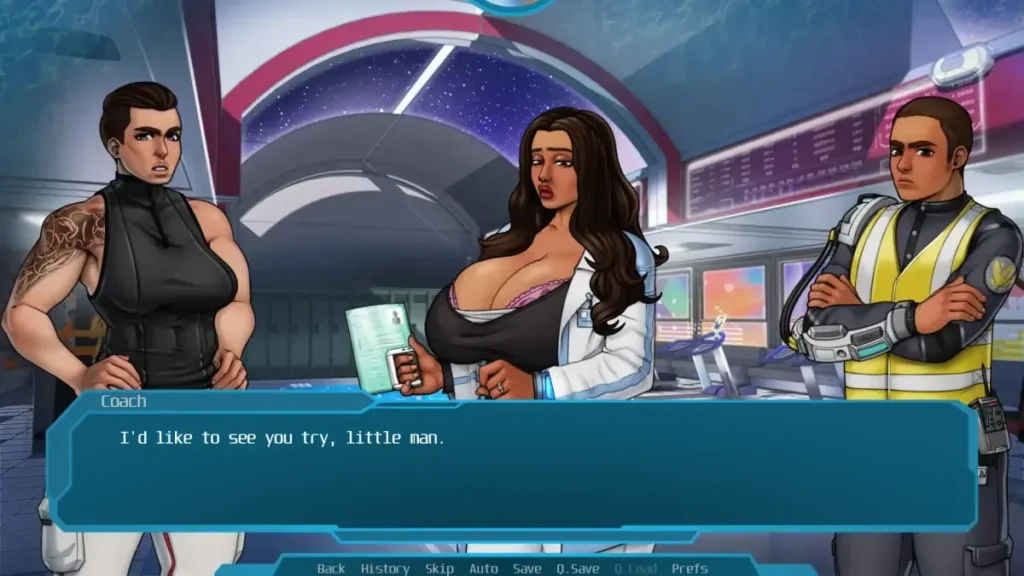
Stellar Dream review
Master narrative choices, character relationships, and strategic mechanics in this immersive sci-fi visual novel
Stellar Dream stands as an immersive narrative-driven experience that blends strategic choice with deep personal storytelling set against a cosmic backdrop. This visual novel follows your journey aboard a colony ship tasked with rescuing lost scouts, establishing diplomatic relations with alien civilizations, and securing humanity’s future among the stars. With over 10 unique characters, branching narratives that span 20-30+ hours of gameplay, and multiple endings shaped by your decisions, Stellar Dream offers a compelling blend of romance, corruption paths, and high-stakes exploration. Whether you’re drawn to cinematic animations, complex character dynamics, or the thrill of discovering hidden secrets, this guide will help you navigate every aspect of this standout title and maximize your experience.
Understanding Stellar Dream’s Core Gameplay Mechanics
You wake up floating in the void, with only the hum of a spaceship’s life support and a gaping hole in your memory. That’s the captivating premise of Stellar Dream, and it’s more than just a story hook—it’s the foundation of everything you’ll do. This game masterfully weaves a personal mystery into a tapestry of galactic survival, where every decision, from a whispered confidence to a power allocation, ripples through your journey. To truly thrive, you need to understand the delicate dance between its core systems. 🚀
This guide will break down the essential Stellar Dream gameplay mechanics, transforming you from a confused amnesiac into the confident captain of your own destiny.
The Foundation: Narrative Choice and Resource Management
At its heart, Stellar Dream is a profound narrative choice visual novel, but it’s fused with the tense, strategic backbone of a resource management sci-fi game. Think of it as two sides of the same credit chip: your story shapes your resources, and your resources enable your story.
Your home is the Stardrifter, a battered but beautiful ship that’s barely holding together. Every system—oxygen scrubbers, engine thrusters, medical bay—consumes Power. Fuel is needed for every jump. Scrap and exotic materials are required for repairs and upgrades. This isn’t just background noise; it’s the constant drumbeat of your existence. ⚡
Where this gets brilliant is how it ties directly into your dialogue choices consequences. Early on, I faced a tough call: a stranded miner on a crumbling asteroid begged for help, but my fuel reserves were at 12%. Saving him would cost precious fuel and maybe compromise my next jump to a critical story location. Ignoring him was safer for my mission but would haunt my character. I chose to help. The consequence? He gifted me a rare terraforming data-core, a resource I later used to bypass a deadly environmental hazard on another planet. My “wasteful” compassion literally opened a new path.
This is the core loop:
1. Explore & Discover: Use your scanner on alien worlds to find resources, story clues, and secrets.
2. Manage & Allocate: Decide what to power up, repair, or craft back on the Stardrifter.
3. Decide & Converse: Use your resources and gathered information to influence story events and relationships.
4. Face the Consequences: Every action, from sharing rations to rerouting power, locks in a story branch and alters your available future.
Your most precious resource isn’t fuel or scrap—it’s Trust and Influence, quantified through your relationships with the ship’s small, enigmatic crew. Choosing to spend time analyzing a personal artifact with one character might boost their trust, unlocking a new personal quest, but it consumes Time—a resource that could have been used to repair the long-range sensors. There are no purely “right” answers, only choices that align with the captain—or person—you’re choosing to become.
Exploring Alien Worlds and Ship-Based Strategy
The alien world exploration strategy in Stellar Dream is a tense, rewarding process of calculated risk versus revelation. You don’t just land and run around; you deploy from the Stardrifter in a protective suit, with a limited oxygen tank and a single, vital tool: your scanner. 🪐
The Stellar Dream scanner mechanic is your lifeline and your key to everything. It’s not a simple “highlight item” button. It consumes battery power with each use, which must be recharged back on the ship. You’ll sweep it across eerie fungal forests, ancient metallic ruins, and crystalline deserts, and it will ping for different things:
* Resource Nodes: Common materials like scrap and carbon.
* Anomalies: Hidden caches, wreckage, or strange flora that might yield rare crafting components.
* Narrative Echoes: The most fascinating use. The scanner can sometimes lock onto “psychic impressions” or encrypted data fragments tied to your lost past. Activating it here doesn’t give you an item, but a piece of the puzzle—a memory fragment, a log entry, a ghostly image. Finding these is crucial for understanding who you were and what happened.
My strategy evolved from “grab everything” to a more surgical approach. On a world with a corrosive atmosphere, my suit integrity was draining fast. My scanner picked up a strong resource signal and a faint narrative echo in opposite directions. I had to choose: secure the materials needed for a critical ship repair, or gamble on a memory that might explain my connection to this forsaken place. I went for the memory, and it revealed a hidden base password that saved me hours of puzzle-solving later. The alien world exploration strategy is all about prioritizing your immediate survival against long-term knowledge gains.
Back on the ship, the strategy continues. The Stardrifter’s management interface is your command center. Here, you:
* Allocate limited Power Units between engines, life support, weapons, and research.
* Decide which recovered artifacts to research for tech unlocks.
* Craft upgrades for your suit and scanner using gathered materials.
* Plan your next jump based on fuel, known threats, and potential rewards.
Pro Tip: Always leave a little power in reserve for “Auxiliary Systems.” You never know when you’ll need a sudden burst of shield power or an emergency life support boost during a story event.
Character Interaction Systems and Relationship Building
If resources are the body of the game, then character relationship building is its soul. The small crew aboard the Stardrifter—each with their own secrets, traumas, and hopes—are not just quest givers; they are the emotional core of your journey. How you interact with them doesn’t just change a “likability” meter; it fundamentally alters the story’s direction, available missions, and even your ending. ❤️🔥
Every conversation is a web of dialogue choices consequences. The game rarely uses obvious “Good/Bad/Sarcastic” labels. Instead, you choose your tone, your focus, and your vulnerabilities. Do you, as an amnesiac, admit your fears to the stern engineer, potentially building mutual respect through shared vulnerability? Or do you project confidence to maintain crew morale, even if it feels like a lie?
This system crystallizes in the game’s compelling dual-path dynamic. Through your major decisions—both in key story moments and in daily interactions—you subtly lean toward a Path of Connection (often romance or deep friendship) or a Path of Control (often termed corruption, where you seek power and information above all else).
For example, when the medic, Kaelen, is struggling with a moral dilemma about his past experiments, you can:
* Path of Connection Choice: Encourage him to talk about his guilt, share a similar feeling of loss from your fragmented memories, and offer support. This deepens your personal bond.
* Path of Control Choice: Redirect the conversation to the usefulness of his research. Press him for the technical data, ignoring his emotional state to acquire a potential advantage.
These choices snowball. A high enough relationship level on the Path of Connection might lead to that character risking their life for you in a crisis or revealing a secret location. On the Path of Control, you might instead unlock unique schematics for powerful, ethically questionable ship upgrades.
Here’s a breakdown of how these paths diverge:
| Aspect | Path of Connection (Romance/Friendship) | Path of Control (Power/Corruption) |
|---|---|---|
| Dialogue Choices | Empathetic, supportive, vulnerable, cooperative. Focus on understanding and sharing feelings. | Pragmatic, analytical, demanding, secretive. Focus on extracting information and securing loyalty. |
| Character Quests | Unlock deeply personal missions involving healing past wounds, recovering mementos, or protecting loved ones. | Unlock missions focused on acquiring forbidden tech, manipulating factions, or consolidating power bases. |
| Resource Allocation | May involve sharing scarce resources to aid crewmates, investing in communal ship comforts. | Prioritizes resources for personal/offensive upgrades, data encryption, and interrogation tools. |
| Ultimate Outcomes | Endings focused on unity, found family, healing, and new beginnings built on trust. | Endings focused on personal supremacy, unparalleled knowledge, control over factions, or a solitary, powerful destiny. |
This is why the game practically demands you use multiple save slots. A choice in Chapter 2 might close off an entire character’s arc by Chapter 5. The dialogue choices consequences are permanent and deeply woven into the narrative fabric.
Putting It All Together: Your Strategic Starter Kit
Mastering Stellar Dream gameplay mechanics is about seeing the connections. Here is your actionable guide to begin:
- Scanner is Life: 🎯 Treat your scanner battery as sacred. On a new planet, do a quick 360-degree sweep to identify all pings before moving. Prioritize Narrative Echoes and Anomalies over common Resource Nodes—the unique rewards are often more valuable.
- Save Like a Paranoid Historian: This cannot be overstated. Create a new save file at the start of every new planet, before every major story conversation, and after any significant find. Label them clearly! The game’s consequence-driven design means you can’t rewind a bad decision without a save to fall back on.
- Balance Your Ship’s Diet: Don’t just max out engines. Keep a balanced power loadout. Having a spare 15% in “Auxiliary” has saved me from game-over scenarios more than once. Always ensure Life Support has a stable baseline.
- Talk to Everyone, After Everything: After every major story beat or planet exploration, make a round of the ship. Crew dialogue updates, and new, intimate conversation options often appear, crucial for character relationship building.
- Embrace Your Roleplay: Decide early on what kind of person your amnesiac is becoming. Are they trying to reclaim their old self, or forge a new one? Let that idea guide your bigger choices. It makes the narrative choice visual novel experience infinitely more personal and rewarding.
The genius of Stellar Dream is that its mechanics—the scanner, the power grid, the dialogue trees—aren’t separate minigames. They are all facets of the same experience: surviving and discovering who you are in the vast, uncaring beauty of space. Your management defines your possibilities, your exploration uncovers your past, and your relationships determine your future. Now, captain, it’s time to wake up and chart your course.
Stellar Dream delivers a sophisticated gaming experience that respects player intelligence through its intricate narrative design and meaningful choice systems. From the moment you awaken aboard the Stardrifter with fragmented memories, every decision—whether empathetic or pragmatic, bold or cautious—shapes your unique journey across alien worlds and through complex character relationships. The game’s dual-path structure, coupled with hundreds of story variations and multiple endings, ensures that your playthrough remains distinctly yours. With cinematic animations bringing key moments to life and a scanner system rewarding thorough exploration, Stellar Dream stands as a standout title in narrative-driven gaming. Whether you’re pursuing romantic alliances, accumulating power through corruption, or uncovering hidden secrets across 20-30+ hours of gameplay, the experience demands engagement and rewards curiosity. Dive into this cosmic adventure and discover why Stellar Dream has captivated players worldwide—your choices await, and the stars are calling.