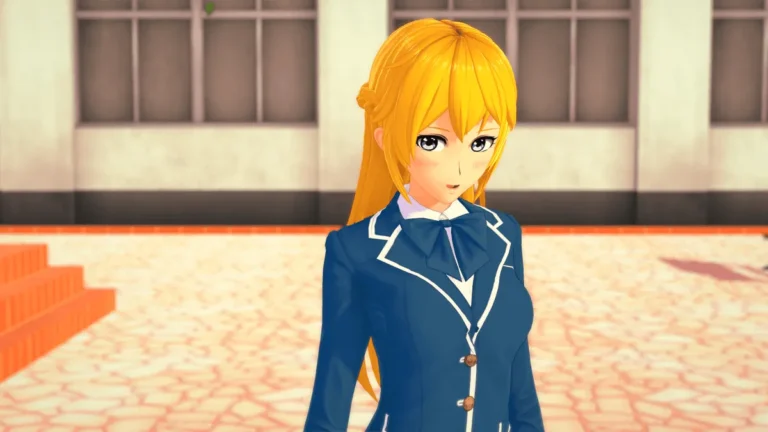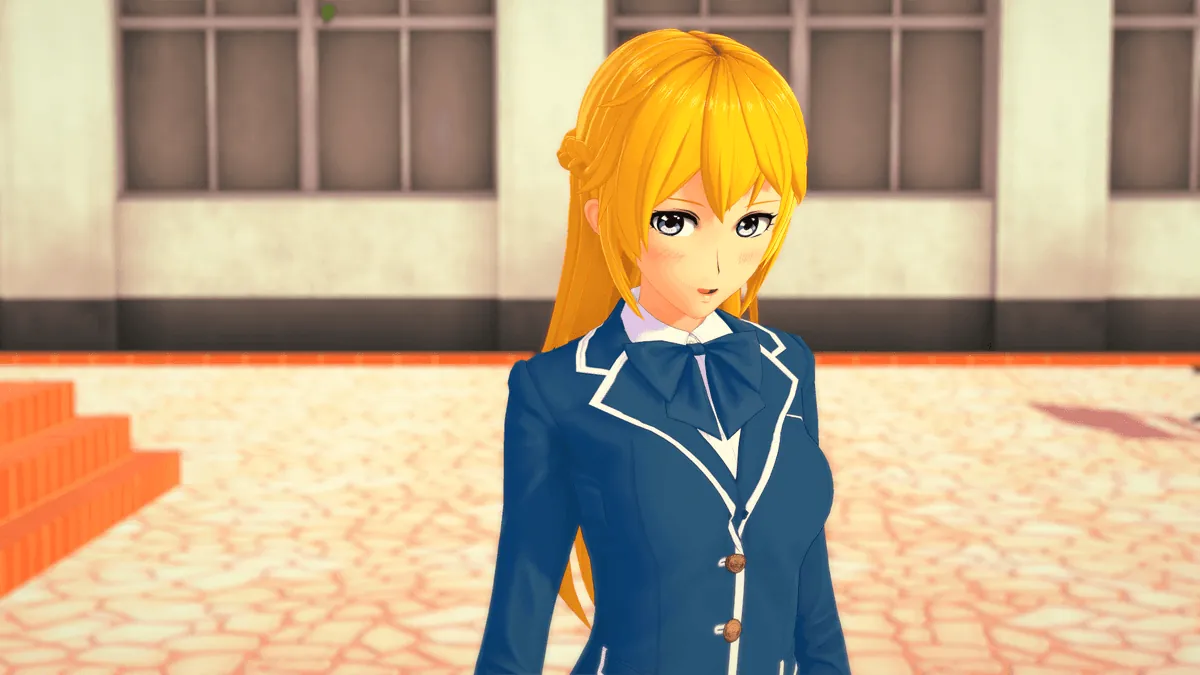
My Time with You
Play My Time with You
My Time with You Screenshots

















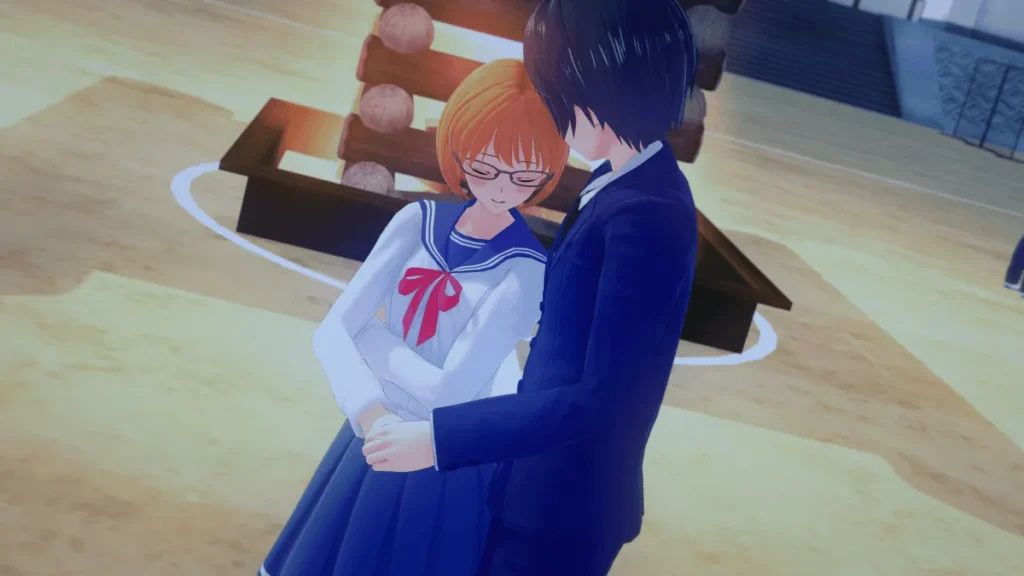




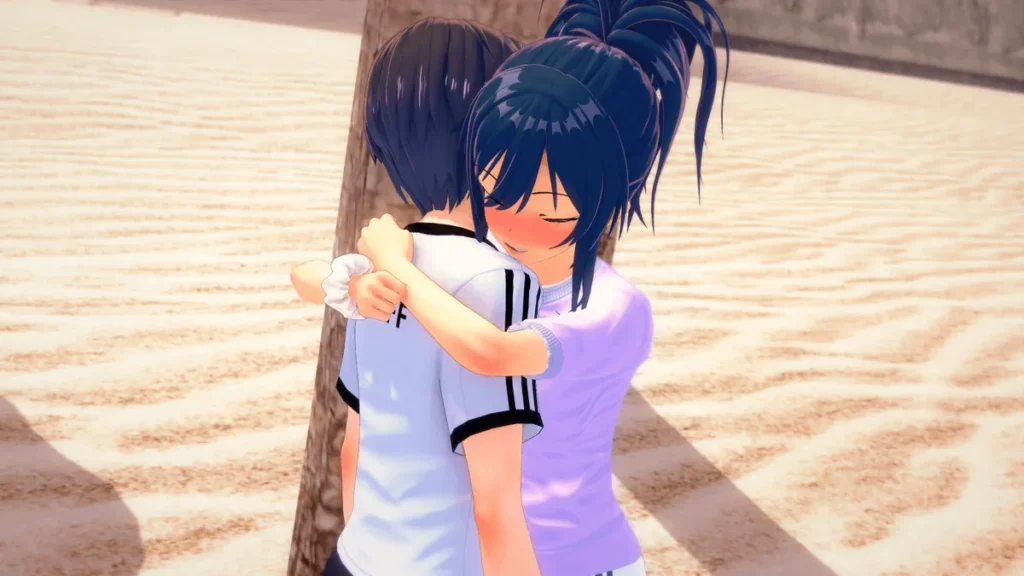
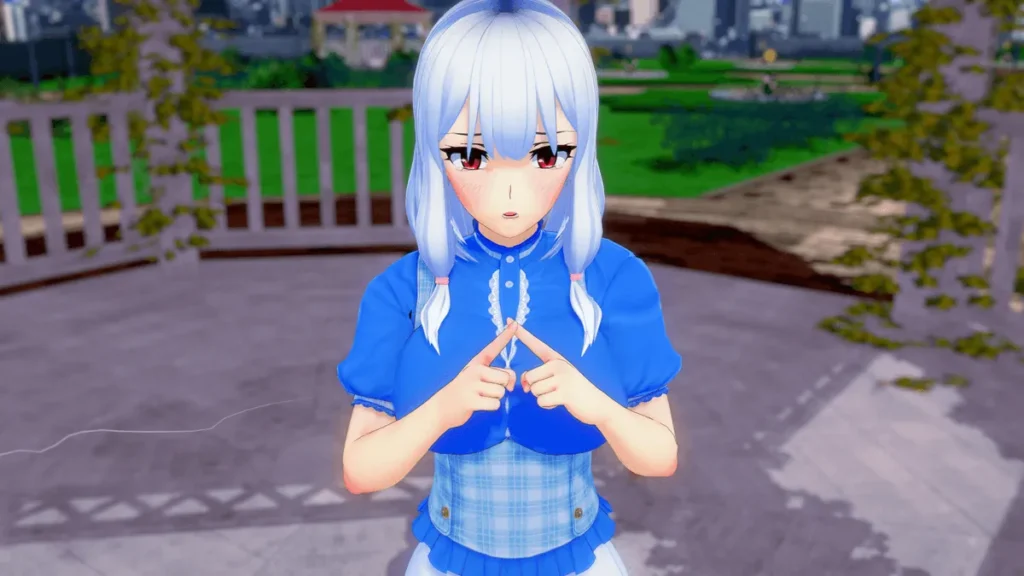
My Time with You review
Master the branching narrative, character routes, and relationship mechanics in this choice-driven visual novel
My Time with You stands out as a narrative-driven interactive experience that combines relationship-building mechanics with branching storylines and supernatural mystery. Developed by EoloStudios, this choice-driven visual novel follows your journey as a protagonist caught between reconnecting with a childhood love and navigating the arrival of a mysterious woman claiming to be your wife from the future. The game’s core appeal lies in its meaningful choice system where your decisions directly shape the narrative, unlock new dialogue options, and determine which relationship path you pursue. Whether you’re new to the game or looking to deepen your understanding of its mechanics and story paths, this comprehensive guide covers everything you need to know about maximizing your experience with this unique visual novel experience.
Understanding the Core Gameplay Mechanics and Systems
So, you’ve started My Time with You and you’re already realizing this isn’t your average romance story. 🤔 You’re picking dialogue options, trying to be charming, and suddenly a character gives you a weird look, referencing a joke you made hours ago. Or you reach a narrative fork in the road that you swear wasn’t there on your friend’s playthrough. What gives?
Welcome to the heart of the experience. This game isn’t just about reading a story; it’s about actively building one, brick by brick, choice by choice. 🧱 The magic—and sometimes the frustration—lies in its intricate, interlocking systems. Think of it like a watch: beautiful on the surface, but the real genius is in the tiny, precise gears working together underneath.
Mastering My Time with You means understanding these gears. Forget passive storytelling; here, you’re the engineer of your own relationships and the architect of your destiny. Let’s open up the back of that watch and see what makes it tick. ⚙️
How the Affinity System Works and Shapes Your Story
At its core, My Time with You runs on relationships. But it doesn’t just hope you feel a connection; it quantifies it in a brilliantly subtle way through its affinity system visual novel mechanics. This is the game’s emotional spreadsheet, tracking your standing with every major character.
Here’s the key insight: Affinity isn’t just a “like meter.” It’s a multi-layered key that unlocks the game’s content. Every significant interaction—a supportive word, a shared secret, choosing to spend time with one person over another—adds or subtracts invisible points. We’re talking about the classic character affection points system, but deployed with real finesse.
Think of Affinity as your relationship’s trust fund. You make deposits (good choices) and withdrawals (bad ones), and the balance determines what “perks” of the relationship you can access.
These points are gatekeepers. They control:
* New Dialogue Options: 🗣️ Ever see a dialogue choice greyed out? That’s high-affinity content you haven’t earned yet. It might be a flirty line, a deeply personal question, or a piece of crucial advice only a trusted friend would give.
* Special Events: 🎉 Entire scenes—a private coffee chat, a walk home, a confession under the stars—are locked behind specific affinity thresholds with a specific character.
* Story Branch Access: This is the big one. Major narrative divergences require you to be at a certain closeness level with a character. Want to pursue the mysterious artist’s solo route? You’d better have invested time in understanding their work and emotions.
This is where relationship building choices become your primary tool. It’s not about always saying the “nice” thing; it’s about saying the right thing for that person. The sarcastic character might appreciate your sharp wit, while the gentle one values your kindness. The system rewards observation and emotional intelligence.
To see how this plays out practically, let’s break down the types of choices you’ll constantly be making:
| Choice Type | What It Does | Typical Outcome & Impact |
|---|---|---|
| Dialogue Choice (The Immediate Reactor) | Direct response to a character’s statement or question. Tests your understanding of their personality. | Quick +/- affinity points. Shapes the immediate tone of the conversation and can unlock follow-up options. |
| Action Option (The Commitment) | Deciding *what to do* in a scene: “Go with Character A,” “Investigate alone,” “Stay silent.” | Major affinity shifts. Opens or closes entire story threads and is heavily tracked by the Memory System. |
| Relationship Management (The Long Game) | How you allocate your time: who to text, who to sit with, whose problem to prioritize. | Cumulative, background affinity building. Steadily steers you toward a character’s route and ending. |
The brilliance of this affinity system visual novel design is that it makes the branching narrative gameplay mechanics feel organic. You’re not just picking “Branch B” from a menu. You’re earning the right to walk down a path because of who you’ve chosen to become to these digital people.
The Memory System: Making Your Choices Feel Permanent
This is where My Time with You separates itself from the pack. Many games have affinity systems. Far fewer have a truly dynamic memory system interactive fiction component. This is the game’s brain—its ability to remember, connect, and hold you accountable. 🧠
In simpler games, a choice in Chapter 1 might give you a stat boost and then be forgotten. Here, choices become memories—for the characters and the world. The game logs your significant actions, and characters will recall, reference, and react to them much later. It creates a stunningly coherent and responsive world.
Let me give you an example from my own messy playthrough. Early on, I met the character Leo, a pragmatic and slightly cynical club president. During a debate about funding for the art club, I had a choice:
1. Advocate for the art club’s emotional value.
2. Side with Leo on pragmatic budget concerns.
3. Make a joke to defuse the tension.
I chose option 3, thinking I was being the peacemaker. The scene moved on. Fast forward five in-game hours. I’m in a deeply personal, vulnerable conversation with Maya, the idealistic artist. She’s struggling with whether her work matters. Then, she says: “I heard about what you said in the council meeting. Making a joke out of it. I guess you think it’s all silly too.” 💔
My throwaway joke had cemented in her memory as a sign of dismissiveness. The entire tone of the scene shifted. My apology felt weaker, my dialogue options were more limited, and rebuilding that trust took real work. That is the memory system interactive fiction in action. It’s not a flag that says “Maya -5”; it’s a narrative ripple effect.
This system does a few critical things:
* Creates Consequences: Your actions have narrative weight, not just numerical weight.
* Enhances Replayability: 🔄 On a second playthrough, choosing the serious option with Leo might later lead Maya to see you as a sincere ally, opening completely different, supportive dialogue.
* Builds a Believable World: It makes characters feel intelligent and observant, like they’re living their own lives outside your conversations.
It intertwines perfectly with the affinity system visual novel core. A memory might lower your affinity with one character but raise it with another who agreed with your stance. It makes every decision a fascinating calculation of both immediate reaction and long-term narrative memory.
Branching Narrative Structure and Multiple Endings
Now we come to the grand result of all these interlocking systems: the legendary branching narrative gameplay mechanics that lead to a true multiple endings visual novel experience. This isn’t a story with a good path and a bad path. It’s a vast, interconnected web of possibilities where each ending is a unique perspective on the game’s world and themes. 🕸️
The structure of My Time with You is less like a tree with branches and more like a complex subway map. 🚇 Early dialogue choices story branches might seem small—just switching to a different conversational track. But these minor switches can reroute you to entirely different stations (major plot events) later on. Sometimes two different choices will converge on the same event, but your history will color how the scene plays out.
Why are multiple playthroughs not just encouraged, but essential?
Because you are physically incapable of seeing the whole picture in one go. Each character’s route reveals:
* Hidden Backstory: The reclusive gamer’s route unveils secrets about the school’s history that never come up on the cheerful athlete’s path.
* Alternative Perspectives: An event you experience as triumphant in one route might be revealed as a tragic misunderstanding in another.
* The Rules of the World: The true nature of the game’s slightly mystical undercurrent (no spoilers!) is pieced together like a puzzle, with clues scattered across different endings.
This is the genius of its multiple endings visual novel design. Your first ending isn’t the “finale.” It’s a finale. It’s one possible conclusion based on the relationships you nurtured and the values you displayed. Another playthrough focusing on different relationship building choices isn’t a repetition; it’s a new chapter of a much larger book. 📚
The game’s structure actively encourages deep exploration. You’ll start to see how scenes you previously missed slot into the narrative whole. You’ll understand why a character was cold to you in one run because you’ve now lived the trauma they experienced in another. The “True Ending” or the most complete understanding of My Time with You isn’t handed to you—it’s earned by patiently, empathetically exploring the many hearts of its story through its branching narrative gameplay mechanics.
So, what will you actually do?
You’ll engage. You’ll listen—really listen—to what characters say and how they say it. You’ll face critical moments with 2-3 options that are rarely black-and-white, each tempting and each costly in its own way. You’ll manage your social capital, knowing that time with one friend is time away from another. This isn’t just another visual novel; it’s a sophisticated, reactive narrative machine where your relationship building choices and dialogue choices story branches genuinely, permanently matter. Your journey through its beautiful, heartbreaking, and joyous multiple endings visual novel landscape is uniquely yours. Now go build it. ✨
My Time with You delivers a thoughtful and engaging interactive narrative experience that prioritizes character development and meaningful storytelling. Through its sophisticated affinity system, memory mechanics, and branching dialogue structure, the game creates a personalized journey where your choices genuinely matter and shape not only your romantic destiny but the fates of the characters around you. The diverse character routes provide multiple perspectives and emotional arcs that encourage exploration and replay value, with each playthrough revealing new layers about the characters and the supernatural rules governing their world. Whether you’re drawn to the game for its narrative depth, the tension between fate and free will, the romance elements, or the satisfaction of uncovering different endings, My Time with You offers a compelling experience that stands out in the visual novel genre. Start your journey today and discover how your choices will reshape your future.