Kingdom of Deception
Play Kingdom of Deception
Kingdom of Deception Screenshots



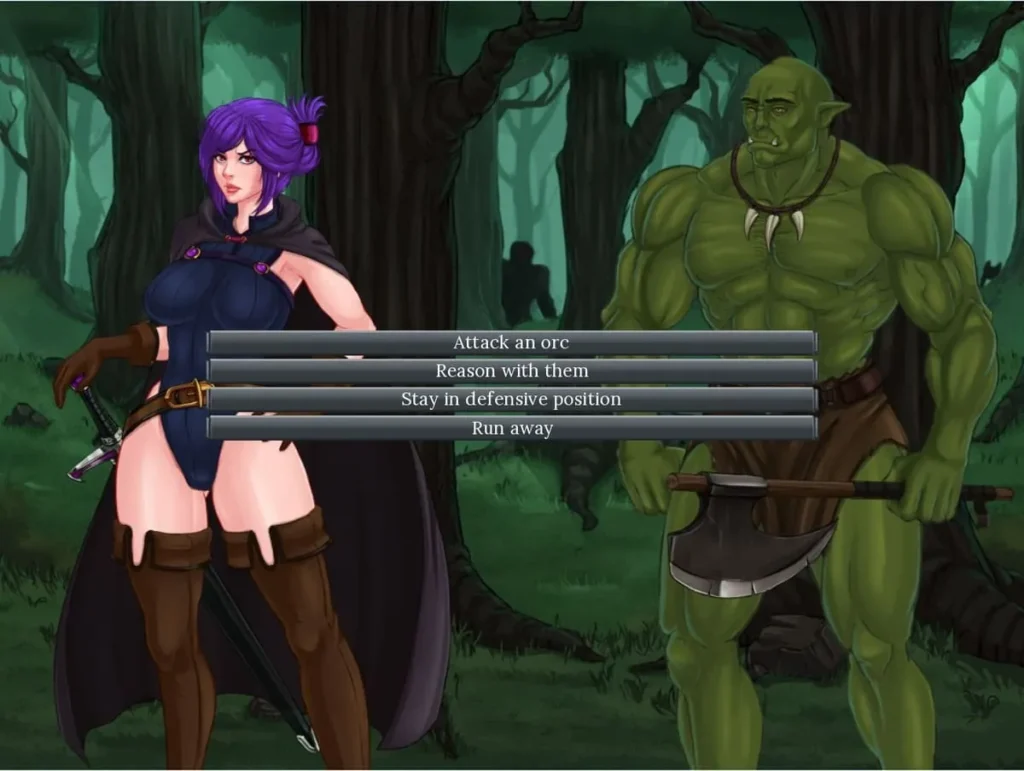
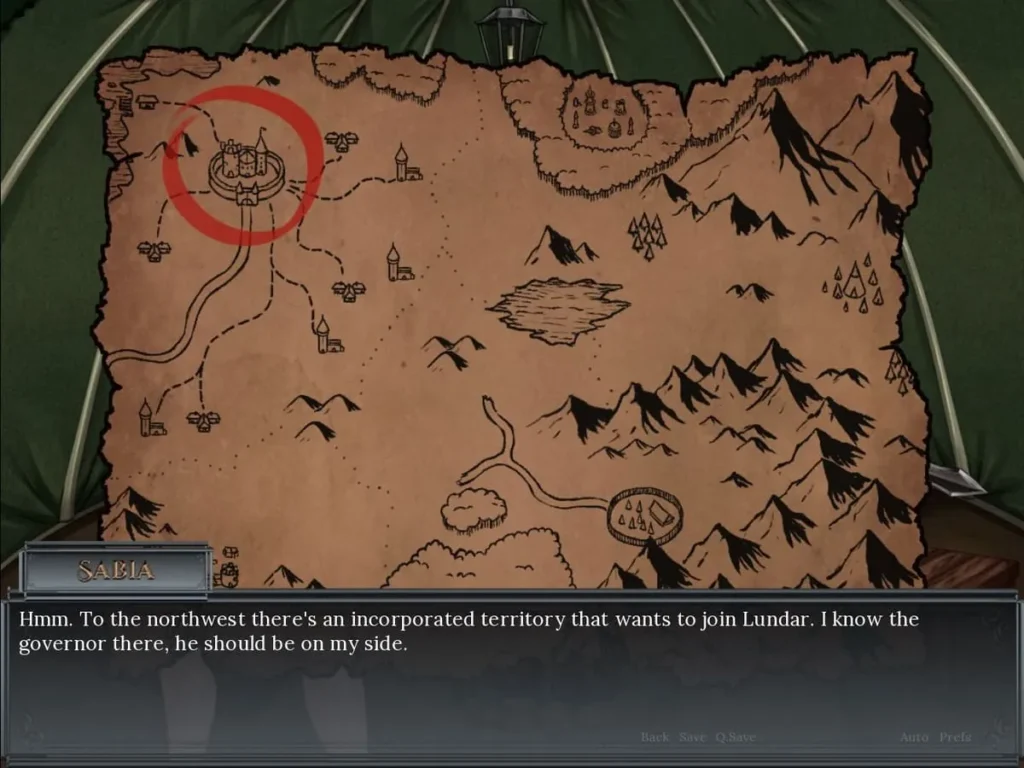
Kingdom of Deception review
Master gameplay mechanics, character interactions, and progression strategies
Kingdom of Deception is a browser-based simulation game that combines strategy, character interaction, and resource management. Players navigate a complex world where decisions impact relationships, earnings, and story progression. This guide covers essential gameplay mechanics, character interactions, resource gathering strategies, and progression pathways to help both new and returning players maximize their experience. Whether you’re looking to understand core mechanics or optimize your playthrough, this comprehensive resource provides actionable strategies and detailed walkthroughs for every major game element.
Core Gameplay Mechanics and Getting Started
Let’s be honest, your first hour in Kingdom of Deception can feel utterly overwhelming. 🫣 I remember staring at the screen, my cursor hovering over a dozen different icons, wondering if I should talk to the shady merchant, pickpocket the guard, or just go fish in the murky town pond. I chose the guard. Let’s just say my first “game over” screen came quickly. Don’t be like me! Mastering the Kingdom of Deception gameplay mechanics from the start is the difference between thriving in this world of cunning and spending your time reloading saves.
This guide is your personal map through the initial fog. We’ll break down the screens you’ll stare at, explain how to fill your virtual pockets, and show you how to grow from a clumsy novice into a master manipulator. Think of this as your essential Kingdom of Deception beginner tips manifesto.
Understanding the Game Interface and Basic Controls
The game’s interface is your command center, and knowing what every blink and flash means is crucial. At first glance, it might look busy, but it’s beautifully organized once you know the secrets. This isn’t just a game interface tutorial; it’s your key to fluent play.
Your primary view is the Main Play Screen. Dominating the center is the gorgeous, isometric world where the drama unfolds. Your current character is highlighted with a subtle glow. The real magic, however, happens on the edges:
- The Action Bar (Bottom Center): This is your toolkit. It contextually changes based on what you’re doing. Standing near a character? It will show conversation and deception options. Highlighting a crate? It might show “Search” or “Picklock.” Get familiar with its changing faces—it’s how you interact with everything.
- The Mini-Map (Top Right Corner): 🗺️ Your best friend for navigation. Gold icons often mark quest objectives, while other symbols hint at points of interest. A pulsing icon usually means something interactive or important is there. Trust it.
- Character Portrait & Vital Stats (Top Left): This isn’t just a pretty picture. A green bar shows your Health, crucial for when deceptions turn sour. A blue bar represents your Focus, the resource used for special abilities like smooth-talking or elaborate schemes. Watching these deplete is your early warning system to disengage.
- The Radial Menu (Activated by Right-Click/Hold): This is the heart of the Kingdom of Deception gameplay mechanics. Right-clicking (or holding the appropriate button on controller) brings up a circular menu with core actions: Inventory, Skills, Quest Log, Map, and Settings. It’s fast, intuitive, and keeps you in the game world.
Personal Insight: I ignored my Focus pool for my first few hours, blowing it all on one fancy lie. I was then left unable to talk my way out of a simple guard’s question later. Manage your resources like they’re real—pace yourself!
Navigation is point-and-click at its core, but the depth comes from interaction. Simply clicking on an NPC will initiate a default greeting, but hovering over them first often reveals a tooltip indicating their disposition (Friendly, Suspicious, Hostile). This one-second check can save you from a disastrous conversation. The core loop is Observe (hover, check the map), Plan (use your radial menu to check your skills and items), and then Act (use the action bar).
Resource Management: Currency, Items, and Inventory Systems
If information is power in this kingdom, then resources are the muscle. Resource management strategy here is less about hoarding and more about smart allocation. You will constantly feel like you need more coin, better gear, and that one rare herb. Let’s demystify it all.
First, let’s talk wealth. Understanding how to earn money in Kingdom of Deception is your first step to independence. You start as a nobody, and the game won’t hand you gold. You have to be clever.
- Quests are Your Bread and Butter: 🍞 The main story and side tasks provide the most reliable lump sums. Always check the reward before accepting; some offer gold, while others offer unique items that might be more valuable.
- The Art of the Side Hustle: This is where the “Deception” shines. Pickpocketing (save often!), gambling mini-games, fencing stolen goods to the right buyer, or even completing small, illicit jobs for underworld figures can net you steady income.
- Crafting & Selling: Find a blueprint for a popular potion or item? Crafting it from scavenged materials and selling it to vendors can turn a huge profit. I funded my entire mid-game armor set by becoming the kingdom’s unofficial potion dealer!
But money is just one resource. Your inventory is your mobile base of operations, and this inventory system explained will save you headaches. You have a limited carrying capacity, measured in slots and weight. That giant, valuable ceremonial urn? You probably can’t just walk off with it.
- Pockets vs. Storage: Your personal inventory is what you carry. Most safehouses or homes you acquire come with a Storage Chest. Use it! Store crafting materials, alternate gear sets, and rare items you’re saving for later. Don’t be a pack rat.
- Item Rarity & Identification: Items are color-coded. Grey (Common), Green (Uncommon), Blue (Rare), Purple (Epic), Orange (Legendary). Some powerful items drop “Unidentified.” You’ll need to pay a sage or use a scroll to reveal their true properties—a fun gamble that can pay off massively.
- Junk Tagging: Got a bunch of broken swords and chipped cups from looting? Use the “Tag as Junk” feature. When you visit a vendor, you can sell all junk with one click, making inventory cleanup a breeze.
Here’s a quick breakdown of the economic ecosystem you’ll be navigating:
| Resource Type | Primary Acquisition Methods | Main Uses |
|---|---|---|
| Gold Crowns (Common Coin) | Completing quests, selling items, pickpocketing, gambling. | Buying gear, food, basic materials, bribing low-level officials. |
| Royal Marks (Rare Currency) | High-stakes quest rewards, trading rare artifacts, major faction rewards. | Purchasing high-end blueprints, legendary items, property, or massive bribes. |
| Common Materials (Wood, Ore, Herbs) | Gathering from nodes, looting containers, purchasing from vendors. | Basic crafting, replenishing consumables, some quest turn-ins. |
| Rare Components (Essences, Ancient Parts) | Dismantling rare gear, boss drops, hidden chests, faction rewards. | Crafting epic/legendary gear, brewing potent potions, advanced skill training. |
Character Progression and Leveling Systems
Your journey from street urchin to puppet master is governed by a satisfying and deep progression system. This character progression guide will help you build a character that fits your playstyle, rather than a jack-of-all-trades who masters none.
You earn Experience Points (XP) from almost everything: completing quests (major XP), winning persuasion/deception challenges, discovering locations, and overcoming enemies. When your XP bar fills, you Level Up. This is your big moment. Each level grants you:
* Attribute Points: Used to increase your core stats: Might (physical damage), Finesse (stealth & precision), Wit (persuasion & crafting), and Resilience (health & defense).
* Skill Points: The currency for unlocking new abilities in your skill trees.
The skill trees are where your character truly takes shape. They’re typically divided into paths like Subterfuge (stealth, lockpicking, poisoning), Eloquence (lying, charm, intimidation), and Cunning (schemes, trap-setting, diversion). You don’t need to specialize completely early on, but spreading points too thin is a classic mistake.
Anecdote Time: My first character put a point in every cool-sounding skill. I could kind of pick locks, sort of lie, and barely set a trap. I failed at everything important. On my second run, I focused purely on Eloquence early. Suddenly, I was talking my way into vaults instead of picking the locks. It was a game-changer.
Stat increases from leveling up are passive and always on. More Wit makes all your persuasion checks easier. More Finesse makes you quieter and deadlier from the shadows. Plan your build based on how you want to solve problems. Do you want to be the silver-tongued ghost who is never seen, or the brutish provocateur who lets others take the fall?
Here is your essential checklist for the first few hours. Follow this, and you’ll build a rock-solid foundation for your reign of delightful mischief:
- Complete the Introductory Quest Line Uninterrupted. It’s the best game interface tutorial you’ll get, and it rewards essential starting gear and gold.
- Allocate Your First Attribute Points with a Plan. Choose one of the two core stats for your desired playstyle (e.g., Wit for talking, Finesse for stealing) and put your first 2-3 points into it.
- Unlock Your First Core Skill. Use your first Skill Point on a foundational ability, like “Basic Persuasion” or “Quiet Steps.” Don’t save it.
- Locate Your First Storage Chest. Usually in your starter safehouse. Immediately stash all crafting materials and “just in case” gear to free up inventory.
- Talk to Everyone with a Name. Exhaust dialogue options. Many side quests that explain how to earn money in Kingdom of Deception are hidden in casual conversation.
- Save Before Any Major Action. Approaching a suspicious noble? Save. Attempting to pick an expensive-looking lock? Save. This is the most vital of all Kingdom of Deception beginner tips.
- Sell Your Junk After Every Major Adventure. Return to town, visit a vendor, clear out tagged junk, and repair your gear. A clean inventory leads to a clear mind for scheming.
- Read Your Quest Log. The entries often contain hints, alternative solutions, and clues you might have missed in conversation.
Mastering these Kingdom of Deception gameplay mechanics sets the stage for everything to come. The interface becomes an extension of your will, your resources fuel your ambitions, and your growing power opens paths that were once closed. Now, go out there and start building your legend—one clever deception at a time. 😉
Kingdom of Deception offers a rich gameplay experience combining strategy, character relationships, and resource management. By mastering core mechanics, building meaningful character relationships, and implementing advanced optimization strategies, players can unlock the full potential of their gaming experience. Whether you’re pursuing specific story outcomes, maximizing earnings, or completing all available content, the strategies outlined in this guide provide a roadmap for success. Start with fundamental mechanics, gradually incorporate relationship-building elements, and progress toward advanced optimization techniques as you become more familiar with the game’s systems. Your journey through Kingdom of Deception becomes increasingly rewarding as you discover the interconnected systems and how your choices shape your unique playthrough.