Kindread: The Redburns
Play Kindread: The Redburns
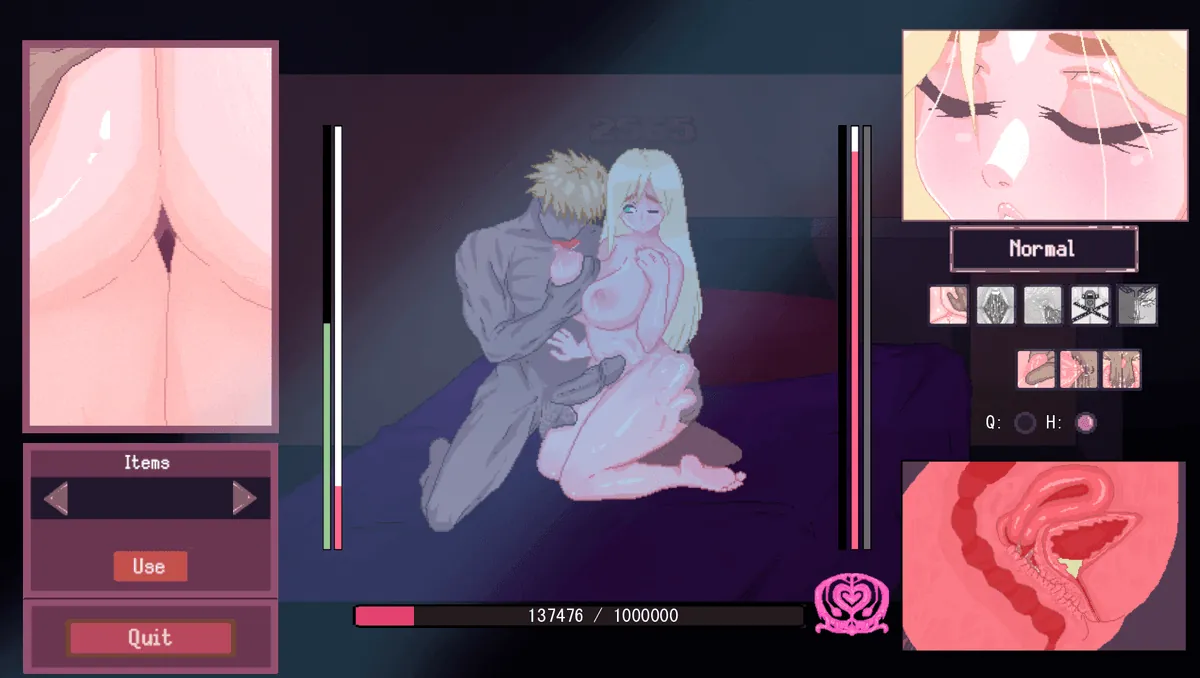
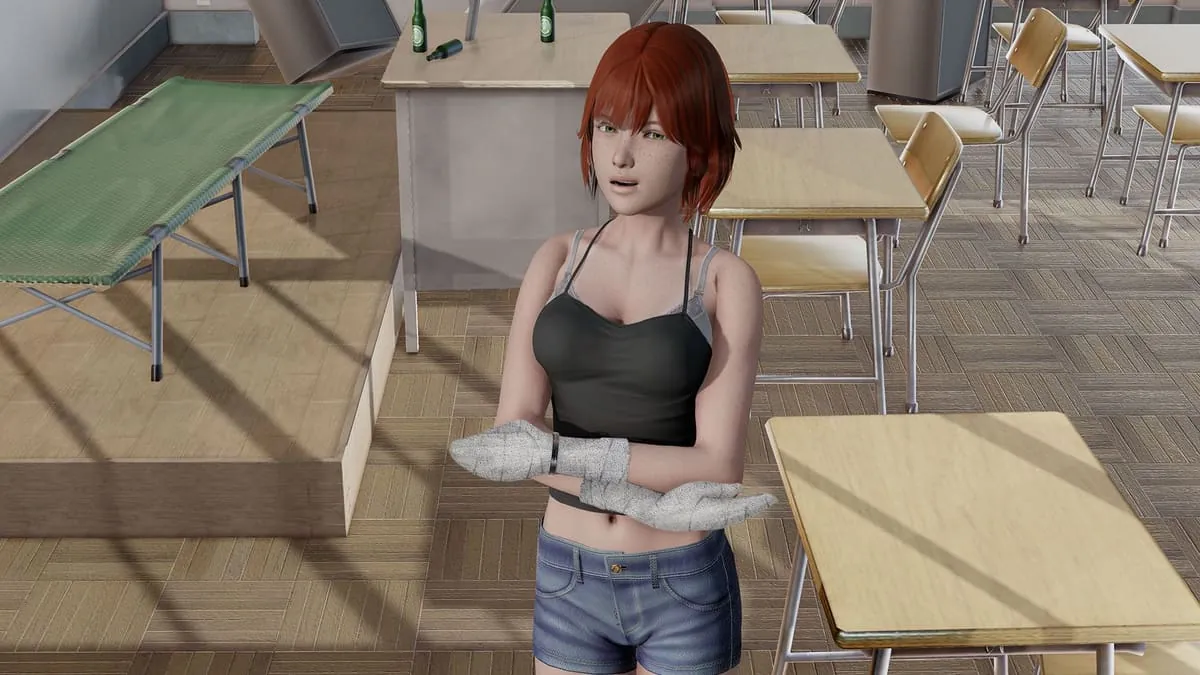
Kindread: The Redburns Screenshots












Kindread: The Redburns review
Explore the zombie apocalypse narrative experience with choice-driven gameplay
Kindread: The Redburns stands out as a unique narrative-driven experience set in a zombie apocalypse scenario. Developed by Inkalicious, this interactive story game places you as the sole male survivor in a small group of women navigating the horrors of a post-apocalyptic world. Unlike traditional zombie games focused on combat and survival mechanics, this title emphasizes relationship dynamics, character choices, and emotional consequences. The game combines visual novel storytelling with gameplay elements that make your decisions matter, creating a branching narrative where every conversation becomes a pivotal moment. Whether you’re interested in story-driven games or interactive fiction, understanding what makes this title unique can help you decide if it’s worth your time.
Understanding Kindread: The Redburns Story and Setting
Forget everything you think you know about zombie stories. 🧟♂️📖 We’re not in a crumbling metropolis or a military bunker. Kindread: The Redburns pulls you off the beaten, brain-splattered path and drops you somewhere far more intimate, and in many ways, far more terrifying: a quiet, rural community. This isn’t just a story about surviving the undead; it’s a deep, character-driven exploration of what happens to people—and their relationships—when the world ends not with a bang, but with a creeping, psychological whisper.
Welcome to the heart of the Kindread The Redburns story. This interactive story game uses the end of the world as a stage, but the real drama unfolds in the quiet moments between characters. Let’s unpack the unique narrative foundation that makes this experience so compelling.
The Zombie Apocalypse Backdrop and Rural Setting
Picture this: rolling hills, a tight-knit community, and a silence so deep you can hear your own heartbeat. This is Redburns. 🏞️☀️ In most zombie games, the setting is a character of chaos. Here, the Redburns town setting is a character of memory. Its quiet lanes and abandoned farmhouses aren’t just scenery; they’re constant reminders of the normal life that has been irrevocably lost. This creates a unique emotional texture. The horror isn’t in hordes breaking down barricades (at least, not at first), but in the profound loneliness and the haunting beauty of a world that looks peaceful but is fundamentally broken.
This choice brilliantly redefines the zombie apocalypse visual novel genre. The isolation of a rural area amplifies every emotion. There’s no cavalry coming, no government rescue. Your world is now the people immediately around you and the resources within walking distance. This forces the narrative to focus inward, on the group’s internal dynamics, making every interaction, every glance, and every shared memory critically important.
But the true genius of Kindread: The Redburns lies in its infection. This isn’t a virus that turns people into shambling corpses in minutes. It’s something subtler, more insidious. The “Affliction” works on the mind, eroding a person’s will, memories, and sense of self long before any physical change occurs. One character might forget their own mother’s face. Another might be consumed by a paralyzing despair they can’t explain. This transforms the classic zombie threat from a physical enemy to a psychological one that lives inside your shelter, inside your friends.
Tip: Pay close attention to character dialogues about the past. In this game, forgetting who you were can be a more dangerous symptom than any physical wound.
This approach makes the apocalypse a backdrop for exploring character relationships in their rawest form. The external threat is ever-present, but the internal battles—against despair, desire, and distrust—are where the game truly lives.
Your Role as the Sole Male Survivor
You step into the worn boots of Leo. By a twist of fate, or perhaps tragedy, you find yourself as the only adult male survivor in a group of women. On the surface, this might sound like a simple fantasy setup, but Kindread: The Redburns immediately deconstructs that idea with remarkable maturity. This dynamic isn’t about power; it’s about immense pressure, profound loneliness, and complicated responsibility.
Leo isn’t a superhero. He’s an ordinary guy in an impossible situation. Your role is multifaceted:
* The Protector: There’s an unspoken (and sometimes spoken) expectation for you to handle physical dangers, a weight that can feel both necessary and isolating.
* The Emotional Anchor: This is your most crucial, and most difficult, job. 🧭 In a world where the very infection attacks a person’s psyche, stability is the most precious resource. The group looks to you for a sense of calm, decisiveness, and hope. Your mood directly impacts the group’s morale.
* The Object of Desire & Scrutiny: Your unique position creates intense and complicated social dynamics. Attraction, dependency, resentment, and hope can all become tangled together. You are, by your very presence, a focal point for the group’s emotional energy, for better or worse.
The central conflict of this narrative-driven gameplay stems from balancing these roles. Do you lean into the “protector” role to build security, even if it feels paternalistic? How do you provide emotional anchoring without burning out your own spirit? And most intriguingly, how do you navigate the very human feelings of attraction that arise in this pressure cooker, when acting on them could destabilize the fragile family you’re trying to keep alive?
This is where the choice-based story game mechanics shine. A choice isn’t just about being “nice” or “rude.” It’s a question of priority: Do you spend your limited emotional energy comforting one person, knowing another might feel neglected? Do you share a vulnerable moment to build a deeper connection, even if it might be seen as playing favorites? The game forces you to consider the group cohesion with every decision.
Example Scenario: The Late-Night Watch
Imagine it’s your turn on watch with Elara, a pragmatic but wounded survivor. She starts talking about her brother, lost in the early days. You have a choice:
* Option A (Professional Distance): “We should focus on the perimeter. Stay sharp.” This keeps the watch efficient and avoids painful emotions. Elara likely respects the boundary but feels dismissed, reinforcing her isolation.
* Option B (Emotional Connection): “Tell me about him. What was he like?” This validates her pain and builds a profound, trusting bond between you two. However, another survivor, Maya, who sees you from a window, might interpret this intimate moment as favoritism, seeding jealousy that affects her actions tomorrow.
Neither choice is “wrong.” One prioritizes immediate group security, the other long-term emotional fortification. This is the exquisite tension of Kindread: The Redburns.
Character Relationships and Emotional Anchoring
If the setting is the stage and Leo’s role is the premise, then the characters are the beating heart that makes you care. 🫀 Each woman in the group is not a archetype, but a fully realized person with a past, a unique response to trauma, and a specific way of interacting with you and the others. Your journey is about learning these intricate maps of personality and trauma.
The character relationships apocalypse isn’t a side story—it’s the main event. The zombie threat is the context that forces these relationships to their breaking points and their deepest bonds. Your primary tool for survival isn’t a gun; it’s empathy, trust, and careful communication.
Let’s look at how key relationships might function, and what your role as the anchor entails:
| Character Archetype | Her Emotional Need | Your Role as Anchor | Potential Conflict with Group |
|---|---|---|---|
| The Pragmatic Leader | Needs a reliable partner to share the burden of command and decision-making. | Be her sounding board and support her authority, even when you disagree privately. | Others may see your alliance as a “power bloc,” creating an “us vs. them” dynamic. |
| The Traumatized Optimist | Craves safety and normalcy; uses hope as a shield against despair. | Protect her hope without lying. Help her find small, real joys to cling to. | Her need for positivity might clash with a more realist member, causing ideological friction. |
| The Guarded Realist | Deserves honesty and competence above empty comfort. Trusts actions, not words. | Prove your reliability through consistent action. Respect her space and don’t offer platitudes. | Her skepticism can lower morale, and she may challenge your decisions openly. |
| The Dependent Caretaker | Seeks purpose through helping others, but risks losing her own identity. | Ensure she takes care of herself too. Validate her worth beyond her utility to the group. | Her self-sacrifice can enable others’ helplessness, creating an unhealthy group dependency. |
Managing these relationships is a constant, delicate dance. 🩰 Showing clear favoritism can breed resentment and split the group. Being too emotionally distant can make you seem like a cold taskmaster, causing loyalty to fray. The game’s brilliant narrative-driven gameplay ensures you feel the consequences of these social choices as acutely as any failed supply run.
The ultimate goal is group cohesion—that fragile state where trust outweighs fear, and cooperation feels instinctual. Achieving it requires you to be a diplomat, a confessor, and sometimes, a sacrificial lamb for the group’s frustrations. You must manage your own desires and impulses, understanding that what you want for yourself (a closer bond with one person) might be in direct conflict with what the group needs from you (impartial leadership).
This is what sets Kindread: The Redburns apart. It asks a profound question: In the end times, is survival about merely keeping bodies alive, or is it about preserving the things that make us human—connection, empathy, and love—even when those very things become our greatest vulnerabilities? 🤝💔 Your choices will write that answer. Will you build a fortress, or will you build a family? In the haunting quiet of Redburns, that is the only mission that truly matters.
Kindread: The Redburns offers a compelling alternative to traditional zombie apocalypse games by prioritizing narrative depth and character relationships over action-focused gameplay. The game’s strength lies in its choice-driven system where your decisions genuinely impact the story’s direction and character dynamics, creating a personalized experience for each player. With its use of advanced animation technology, multiple gameplay mechanics, and focus on emotional storytelling, it delivers a unique interactive fiction experience. Whether you’re drawn to narrative-driven games, character-focused stories, or interactive fiction, Kindread: The Redburns provides an engaging experience that rewards thoughtful decision-making. If you’re interested in exploring this title, start with Chapter 1 to experience how your choices shape the unfolding narrative and character relationships in this post-apocalyptic setting.