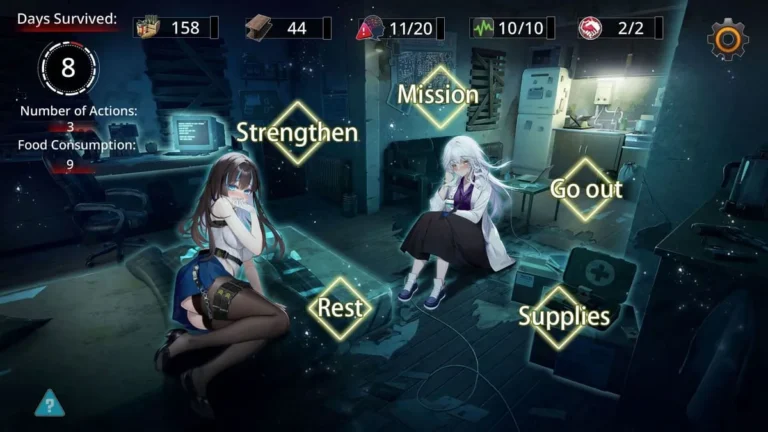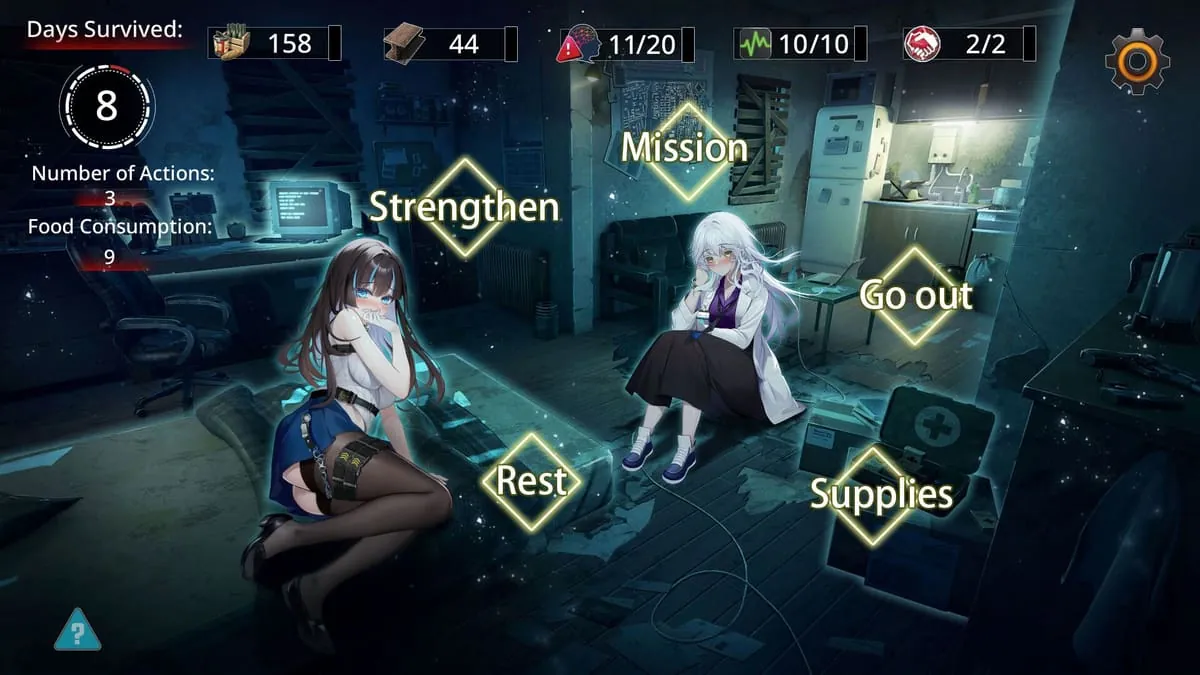
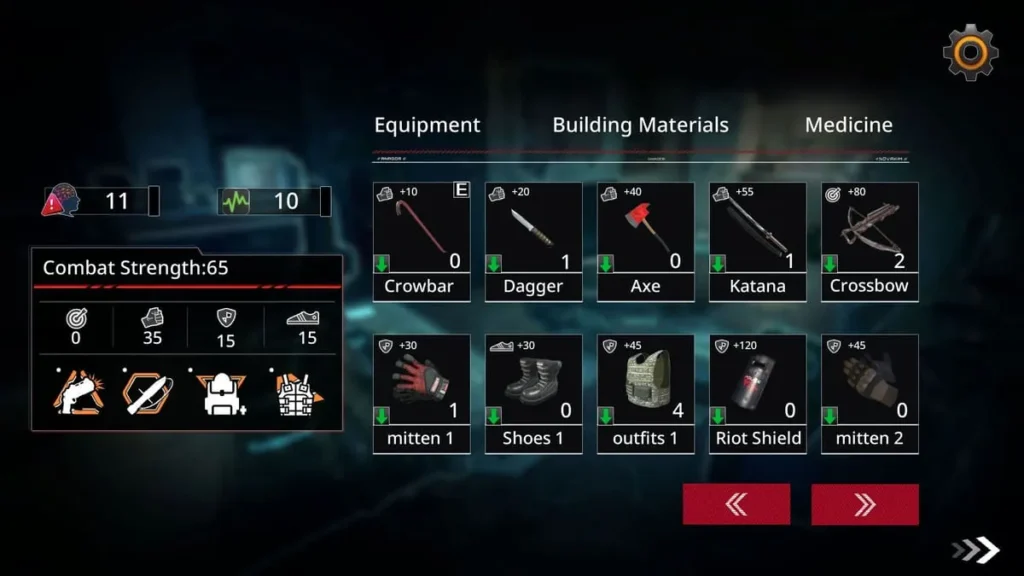
Fatal Countdown – immoral List of Desires Screenshots





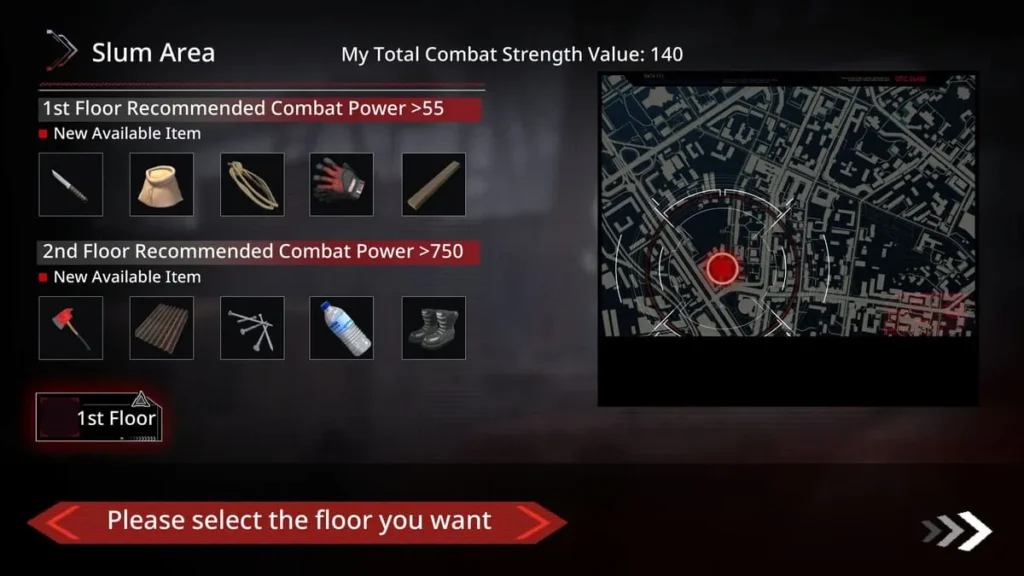

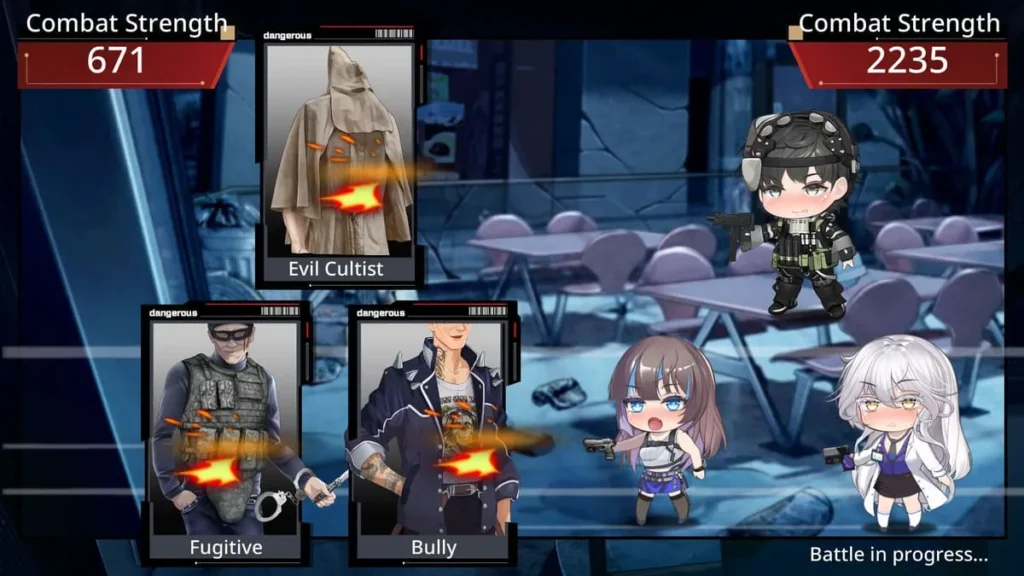

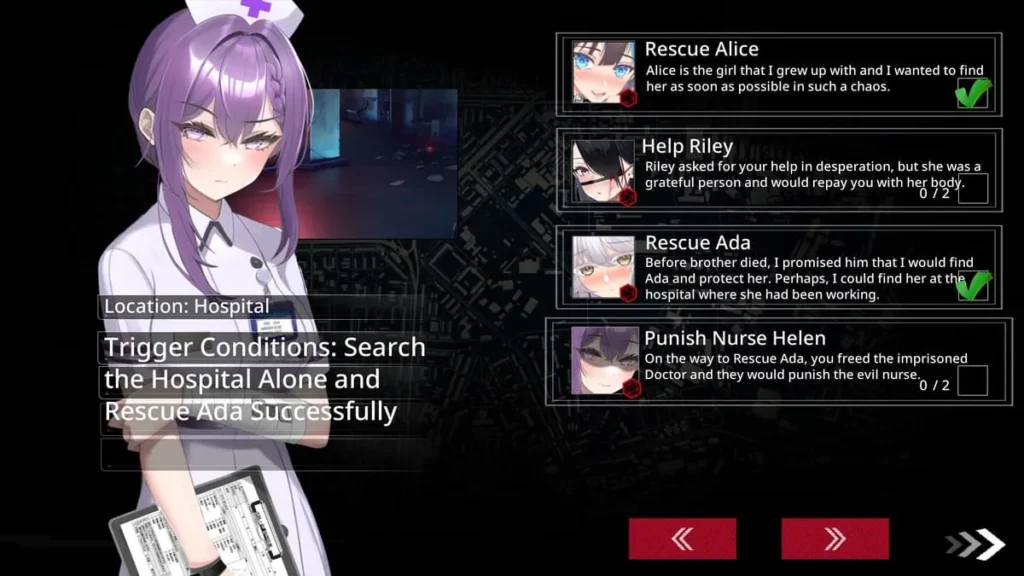
Fatal Countdown – immoral List of Desires review
Explore the immersive survival simulation and narrative of Fatal Countdown – immoral List of Desires
Fatal Countdown – immoral List of Desires is a captivating survival simulation game developed by Secret Garden and released in April 2024. Set in a city plunged into chaos by a mysterious virus and sudden artillery fire, players must navigate a post-apocalyptic environment filled with danger and moral challenges. This article dives into the game’s storyline, mechanics, and unique features, offering insights and practical tips for players eager to master this intense experience.
Understanding the Story and Setting of Fatal Countdown – immoral List of Desires
Let’s be honest, we’ve all played games where the story feels like an afterthought—a thin excuse to shoot things or collect shiny objects. 🙄 You might skip the cutscenes without a second thought. But what if a game’s narrative was so gripping, so morally complex, that it became the main event? That’s the territory Fatal Countdown – immoral List of Desires confidently claims. This isn’t just a survival sim; it’s a psychological deep dive wrapped in a terrifyingly plausible crisis.
The Fatal Countdown storyline begins with a brutal one-two punch that shatters normal life in an instant. 💥 A mysterious, aggressive virus starts spreading uncontrollably, sowing panic and illness. Before anyone can even process that threat, devastating artillery strikes rain down on the city, targeting key infrastructure and plunging society into immediate chaos. The game doesn’t give you a slow burn; it kicks down the door to the apocalypse. Your goal? Simple in word, agonizing in practice: survive.
You find a sealed basement in a ruined pharmacy. Inside, there’s enough canned food and clean water to last you a week, and a sickly child curled in the corner, burning up with fever. The door has a sturdy lock. Do you barricade yourself in with the supplies, guaranteeing your own safety for a crucial period? Or do you use the medicine you also found to try and save the child, knowing their cries might attract others, and that helping them drains your precious resources? This is the immoral List of Desires narrative in a nutshell—no choice is clean.
What is the premise of Fatal Countdown – immoral List of Desires?
At its core, the premise is a masterclass in pressure-cooking a game story survival scenario. You are not a superhero or a chosen one. You are an ordinary person caught in the catastrophic, simultaneous collapse of public health and public order. The virus triggers a primal fear of contact, while the shelling creates a landscape of literal rubble and metaphorical ruin. The city’s transformation is the central pillar of the city collapse game plot.
Your mission evolves from “find safety” to “maintain humanity” in a space that actively discourages it. The “immoral List of Desires” isn’t just a catchy subtitle—it’s the game’s central mechanic. As you struggle, your character’s psyche manifests a list of escalating, often dark, desires driven by desperation. These aren’t arbitrary “evil” options. They are heartbreakingly understandable impulses: the desire to hoard all food when you’re starving, to abandon a slowing companion when danger is near, or to take by force what you can’t obtain by trade.
This is where the Fatal Countdown storyline separates itself. The narrative is deeply personalized. The choices you make, guided by survival or empathy, directly shape your character’s mental state, the reactions of non-playable characters you encounter, and ultimately, the endings available to you. It’s a story about what breaks and what endures when every system you’ve ever relied on vanishes overnight.
How does the post-apocalyptic setting influence gameplay?
This post-apocalyptic game setting is far more than a painted backdrop; it’s the primary antagonist and a constant narrative device. 🏙️💀 The environment tells a story of its own, directly influencing every decision you make.
- A Dynamic, Hostile World: The city isn’t just static ruins. Loot gets scarcer as time goes on. Safe havens can be overrun. The weather turns foul, making travel hazardous. This constant decay means you can never get truly comfortable, mirroring the relentless tension of the game story survival.
- Resource Scarcity as a Story Driver: You won’t find ammo crates on every corner. Every bottle of water, every bandage, every battery has weight and value. This scarcity forces the moral challenges in game to the forefront. Do you raid the weakly defended shelter of another survivor? The game doesn’t judge you with a “morality points” system; instead, it shows you the consequence through that survivor’s later fate, or through the growing coldness in your own character’s journal entries.
- The Atmosphere of Paranoia: The brilliant use of sound design and limited visibility makes every encounter tense. Is that a shadow a friend or a foe? Is that cough in the next room just a cough, or the first sign of the virus? This atmosphere directly feeds into the psychological themes in Fatal Countdown, constantly testing your character’s—and by extension, your own—sense of security and trust.
The setting ensures that survival is a holistic challenge. It’s not just about managing a health bar; it’s about navigating a physical and social landscape where every advantage comes with a potential cost to your soul.
What themes and narrative elements shape the player experience?
Fatal Countdown – immoral List of Desires is compelling because it understands that in a true crisis, the most brutal battles are internal. The narrative weaves several powerful themes into the fabric of gameplay.
First are the psychological themes in Fatal Countdown. The game explores the erosion of sanity under extreme duress. 🧠 Your character’s “Desires” list is a visual representation of this. Starting with simple urges, it can spiral into disturbing compulsions. The game asks: is losing your compassion a necessary adaptation for survival, or is it the first step to becoming just another monster in the ruins?
This ties directly into the core of moral challenges in game. These aren’t cartoonish “good vs. evil” choices. They are painful trade-offs where both options can be justified. For instance:
* You meet a small group that has secured a water filtration system. They offer you entry in exchange for all your food and your help in forcibly expelling another, weaker survivor. Do you buy long-term security at the price of becoming an enforcer?
* You have the chance to get critical information about a potential evacuation, but only by revealing the location of a hidden family you promised to protect.
To illustrate how these themes come to life, let’s look at specific narrative moments:
| Narrative Moment | Themes Highlighted | Player Engagement |
|---|---|---|
| The “Lantern House” side story, where you discover a man who has turned his apartment into a trap-filled fortress, luring survivors with a promise of safety. | Paranoia, the corruption of hope, the monstrous potential of “safety-first” logic. | Emotional revulsion and a desperate fight for escape, followed by introspection: “How close am I to becoming that?” |
| A recurring dream sequence where your character relives a moment of cowardice or loss, which changes based on your recent in-game actions. | Guilt, trauma, and the psychological burden of survival choices. | Deepens emotional investment and makes your choices feel personally consequential. |
| The “Market of Whispers” location, a neutral zone where trade happens, but every transaction is layered with deceit and hidden agendas. | The fragility of social contracts, the value and danger of trust. | Creates tense, dialogue-driven gameplay where reading people is as important as any skill check. |
My practical advice for engaging with this rich Fatal Countdown storyline? Don’t play to “win.” Play to understand a character. 🎭 Let yourself feel the weight of the choices. Sometimes, role-playing the “best” survivor might mean making the hardest, most morally grey call. Other times, it might mean sacrificing a tactical advantage for a shred of human connection. The game’s greatest strength is that it validates both approaches, showing you their unique rewards and scars.
Ultimately, the immoral List of Desires narrative succeeds because it makes you complicit. You are not watching a story about collapse; you are architecting one, decision by agonizing decision. It explores whether our desires for safety, companionship, and purpose can survive when the world meant to nurture them is gone. That’s a story that sticks with you long after you’ve put the controller down. 🤯 It’s a powerful, unsettling, and utterly memorable journey into the heart of what we become when we have nothing left to lose.
Fatal Countdown – immoral List of Desires offers a rich blend of survival simulation and narrative depth, challenging players to navigate a devastated city while confronting complex moral decisions. Its unique setting and psychological themes create an engaging experience that stands out in its genre. Whether you are drawn to its story or gameplay mechanics, this game invites you to test your strategic thinking and emotional resilience. Dive in and discover how your choices shape the fate of your companions and yourself.