Corporate Culture
Play Corporate Culture
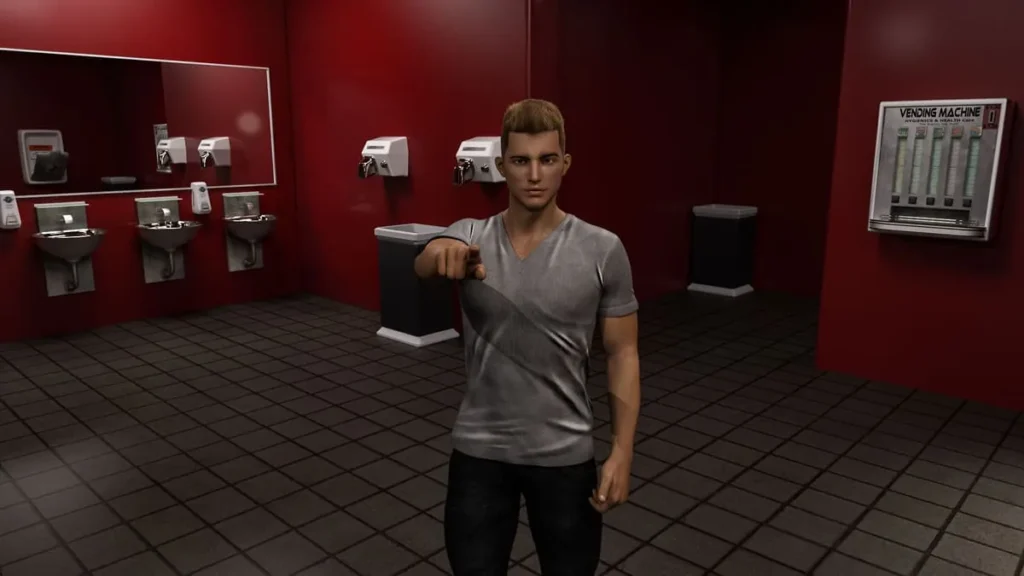
Corporate Culture Screenshots





















Corporate Culture review
Exploring the unique gameplay and narrative of the ‘Corporate Culture’ game
The game ‘Corporate Culture’ offers a distinctive experience that blends narrative and interactive elements within a corporate-themed setting. This article explores the game’s core features, storytelling approach, and player engagement, providing insights into what makes it stand out in its genre. Whether you’re curious about gameplay mechanics or the story’s development, this guide covers everything you need to know about ‘Corporate Culture’.
Understanding the Gameplay and Mechanics of ‘Corporate Culture’
Let’s be honest: most games about office life are simple satires. You click, you grind, you laugh at the exaggerated boss, and you move on. But what if a game dared to go deeper, to make you feel the delicate, often absurd, social fabric of a modern workplace? That’s the territory ‘Corporate Culture’ boldly claims. It’s not just a game about an office; it’s an intricate simulation of human dynamics, power, and ambition, wrapped in a deceptively mundane package. 🏢✨
This chapter is your guide to understanding what makes this experience tick. We’ll dive into the systems that power your climb, the choices that define your legacy, and the brilliant way story and strategy become one.
What Makes ‘Corporate Culture’ Unique in Gameplay?
Forget resource gathering or combat stats. The core currency in ‘Corporate Culture’ is social capital. Your success isn’t measured in gold pieces, but in trust, influence, and reputation. The most innovative feature is the ‘Echo System’. Every decision you make, from how you handle a missed deadline to what you say at the coffee machine, creates ripples. These ripples—or echoes—modify the attitudes and memories of every non-player character (NPC) in the office.
I remember a playthrough where I publicly corrected a mid-level manager in a meeting to gain favor with the director. A smart power play, I thought. Weeks later in game progression, that manager “coincidentally” lost a critical report I needed, and my key ally from accounting suddenly became too busy to help. The game had remembered, and the interactive gameplay Corporate Culture is built on ensured there were no truly forgotten slights. This creates a uniquely fragile and realistic ecosystem. You’re not managing tasks; you’re managing relationships, where every interaction is an investment or a debt. This focus on persistent social consequence is the heart of its unique gameplay Corporate Culture.
Core Mechanics and Player Interaction
So, how do you actually play? The ‘Corporate Culture’ game mechanics are a blend of strategic time management and dynamic dialogue. Your day is broken into blocks (morning, mid-day, afternoon), and you must choose how to spend this limited resource.
| Primary Action | Mechanic Involved | Potential Outcome |
|---|---|---|
| Completing Assigned Work | **Efficiency Mini-Game** | Increases **Performance Metric**, unlocks formal promotions. |
| Casual Conversations | **Dynamic Dialogue Tree** | Gains **Social Insights**, uncovers office gossip/plots. |
| Helping a Colleague | **Favor System** | Earns a **Favor Token** to be cashed in later. |
| Attending Optional Meetings | **Observation & Alliance Building** | Reveals hidden department agendas, builds influence. |
The magic is in the balance. Focusing solely on your inbox will get you promoted but leave you isolated and vulnerable to office politics. Spending all your time schmoozing will build a powerful network, but if your performance slips, your allies will distance themselves. The interactive gameplay Corporate Culture demands you be both a competent worker and a savvy politician.
Player choices Corporate Culture are rarely between obvious “good” and “evil.” They are between short-term gain and long-term stability, between personal ethics and professional advancement. Do you leak a rival’s mistake to a superior, burning a bridge but potentially fast-tracking your rise? Or do you quietly help them fix it, earning a loyal ally but missing an opportunity? The game refuses to judge you; it only reflects the complex outcomes of your decisions back at you.
How Storytelling Shapes the Game Experience
In many games, the narrative is a cutscene you watch between gameplay segments. In ‘Corporate Culture’, the narrative is the gameplay. The storytelling in Corporate Culture game is environmental, emergent, and deeply personal. You piece together the larger company drama—the merger rumors, the VP’s impending retirement, the secret romance between departments—through snippets of overheard conversations, email chains you weren’t technically BCC’d on, and the changing body language of your coworkers.
The game masterfully uses its systems to tell stories. That Favor Token you earned isn’t just a +1 to a stat. It’s the story of how you stayed late to help Sam in Marketing, and now he’s inviting you to a closed-door strategy session. Your decaying Performance Metric isn’t just a red number; it’s the narrative of your character becoming overwhelmed and distracted by the web of alliances they’ve woven.
The most compelling stories are the ones you author yourself through your choices. The game provides the canvas, but you hold the brush.
Let’s look at a detailed example. Early on, you discover your direct supervisor is taking credit for your team’s work. You have a critical player choice:
- Choice A: Go Over Their Head. You schedule a private meeting with their boss, presenting evidence. This is high-risk, high-reward.
- Choice B: The Subtle Power Play. You start casually mentioning project details and your role in conversations with higher-ups when the supervisor is present, forcing them to acknowledge you.
- Choice C: Public Confrontation. You call it out in a team meeting, demanding credit.
- Choice D: Bide Your Time. You say nothing, build a stronger case, and win the loyalty of more teammates first.
I chose Option B, the subtle approach. The immediate result was tense but civil. My supervisor became cold but was forced to name-check me in the next presentation. The long-term outcome, however, was fascinating. Weeks later, during a departmental restructuring, that supervisor was moved to a different team. The director, in a one-on-one, mentioned they valued “quiet initiative and strategic thinking.” My choice had not just solved a problem; it had narratively defined my character’s reputation to leadership, unlocking a new path in the game progression Corporate Culture that favored behind-the-scenes influence over overt aggression.
This seamless fusion is what creates the game’s immersive game narrative. You aren’t told you’re a shrewd operator; you become one through your actions, and the world reacts accordingly. The balance between challenge and storytelling is perfect because the challenge is the story—navigating the human maze of the office is the entire point.
By making narrative the direct product of its mechanics, ‘Corporate Culture’ offers a profoundly immersive game narrative that feels less like playing a story and more like living one. Your climb up the corporate ladder isn’t just a score—it’s a biography you write one delicate, calculated interaction at a time. 🪜📖
The ‘Corporate Culture’ game offers a compelling blend of narrative depth and engaging gameplay mechanics that invite players to immerse themselves in a unique corporate-themed world. Its emphasis on player choice and storytelling creates a dynamic experience that stands out in its genre. Whether you are a fan of interactive stories or innovative game design, ‘Corporate Culture’ provides a memorable journey worth exploring. Dive into the game and discover how your decisions shape the unfolding narrative.