Play Adverse Effects
Adverse Effects Screenshots
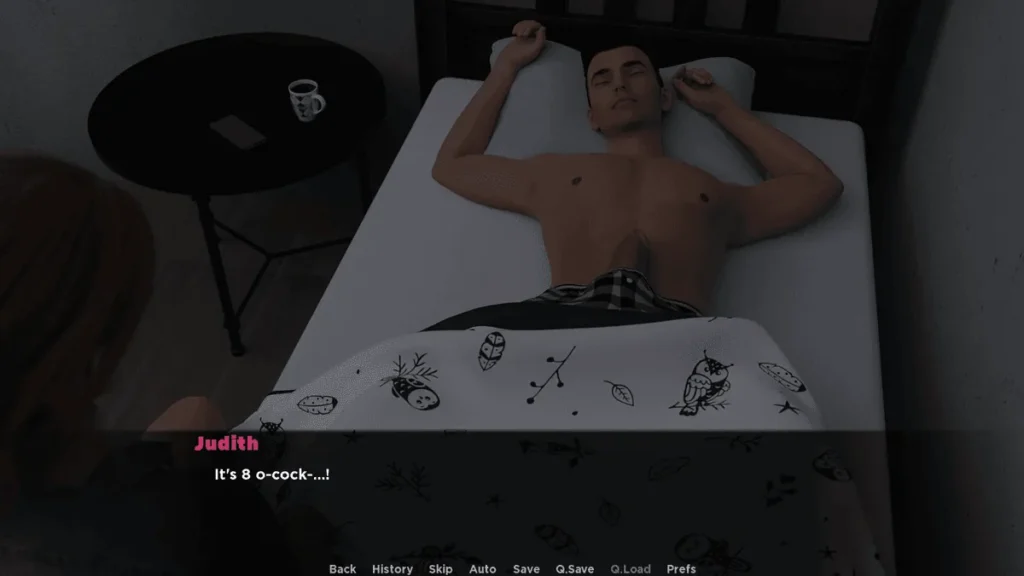

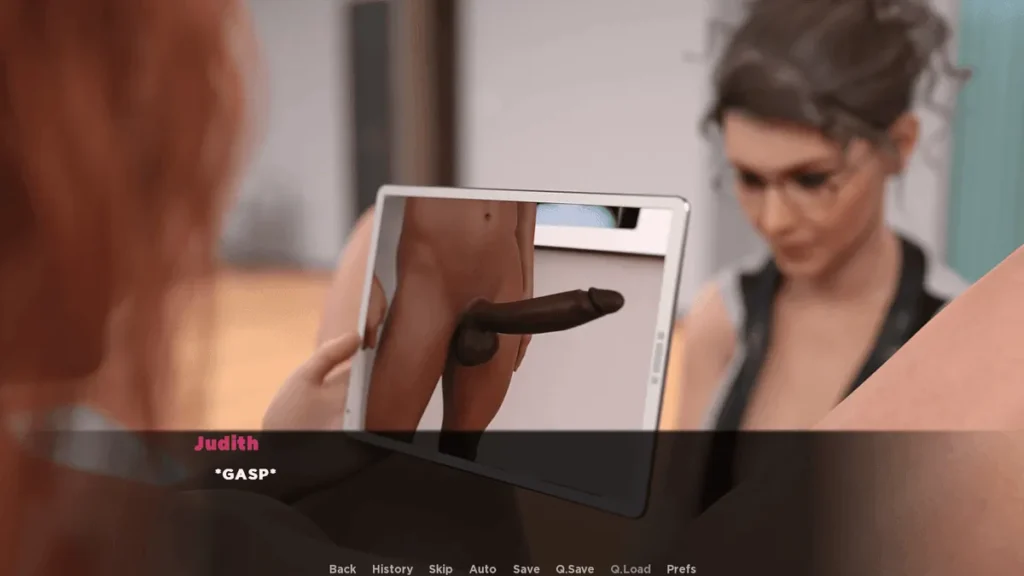
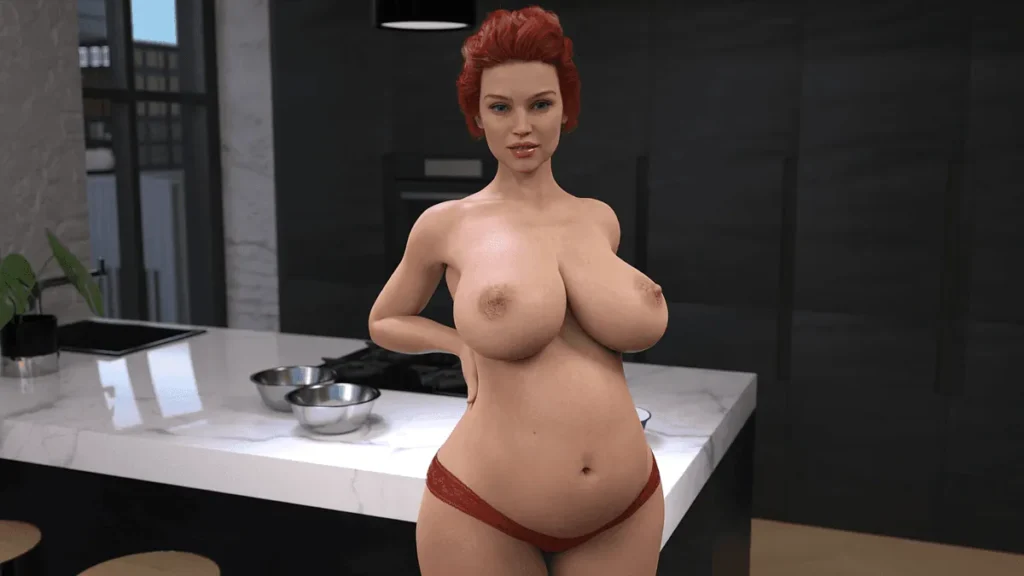



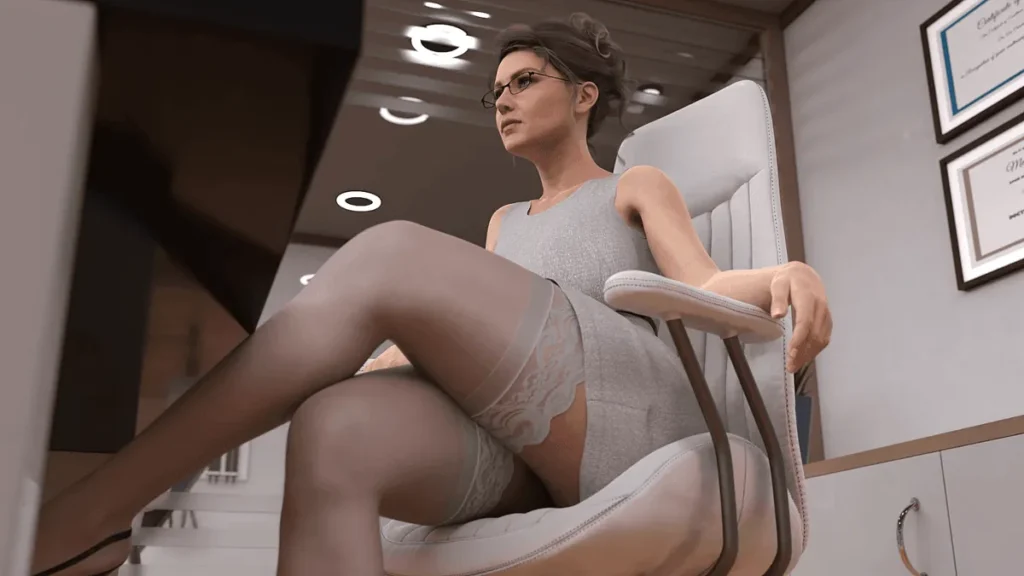






Adverse Effects review
Discover the hidden downsides of this controversial porn game and how to navigate them
Ever dove into ‘Adverse Effects,’ the porn game that’s got everyone talking, only to feel a strange mix of thrill and regret afterward? You’re not alone. This interactive title promises steamy adventures, but many players report unexpected adverse effects like emotional drain, distorted expectations, and even relationship strain. In this article, I’ll share my own brush with the game—late nights blurring into anxiety—and break down the real negative impacts of Adverse Effects. Whether you’re curious or already hooked, understanding these side effects of Adverse Effects porn game can help you play smarter or step away wiser. Let’s explore what lurks beneath the surface.
What Are the Main Adverse Effects in the Game?
I remember the first time I played the Adverse Effects game deep into the night. The screen’s glow was the only light in the room, and the rapid click-through of increasingly intense scenarios had me in a trance. When I finally shut it off and lay in the dark, I didn’t feel excited or satisfied. I felt… nothing. A hollow, flat numbness where emotions should be. That unsettling quiet was my first real clue about the negative impacts Adverse Effects can have, far beyond the time spent playing. 😶
So, what are the main adverse effects in this game? At its core, the Adverse Effects experience is built on a mechanic of escalation and reward. You’re consistently pushed toward more extreme, fantastical, and often impersonal content to “progress” or achieve new outcomes. This constant pursuit of a higher “dose” of stimulation doesn’t just stay on the screen. It starts to rewire expectations, dull sensitivities, and can spill over into your mindset and relationships. It’s the digital equivalent of turning up the volume so loud you risk damaging your hearing—except here, it’s your emotional and arousal responses at stake.
How Gameplay Triggers Emotional Desensitization?
The mechanism is subtle but powerful. Each session in the Adverse Effects game acts like a training module for your brain. You’re conditioned to seek and respond to very specific, exaggerated stimuli. The game’s design bypasses the slow build of natural chemistry, the awkwardness, the conversation—the very human elements of real connection—and replaces them with instant, graphic payoff.
This repeated exposure is the engine of Adverse Effects desensitization. Your baseline for what’s “arousing” or “exciting” gets artificially raised. I’ve read stories from players who began to unconsciously compare real people to the game’s impossible, scripted characters. One shared anonymously, “A date would laugh, and I’d find myself bored, waiting for the ‘scene’ to start like it does in the game. The normal, lovely human in front of me couldn’t compete with the over-the-top fantasy I’d trained myself on.” This is the crux of distorted arousal Adverse Effects creates—your natural desires get hijacked by a manufactured, intense standard that reality can’t match. 😔
The result? Real intimacy can start to feel bland, slow, or unsatisfying. The game offers a hyper-controlled fantasy, but life is beautifully messy and nuanced. When your brain gets used to the former, the latter can lose its luster, leading to frustration, withdrawal from real-world opportunities, and a genuine sense of dissatisfaction that’s hard to pin down.
Common Player Complaints About Distorted Views
Diving into community forums and discussions reveals a pattern of Adverse Effects player complaints that go beyond simple regret. These are consistent themes that point to deeper emotional side effects porn games like this can foster:
- Aggression Spikes & Irritability: Many report a short fuse after long sessions. The intense, often power-driven narratives can leave a residual edge, making players quicker to anger in everyday disagreements. It’s as if the game’s confrontational energy leaks out.
- The Shame Cycle: This is a big one. Players often talk about the “come-down”—a wave of guilt or shame after closing the game. This isn’t about morality, but about the dissonance between their actions and their self-image. They feel out of control, which fuels anxiety and then, paradoxically, sometimes leads back to the game for a temporary escape from those bad feelings. 🔄
- Social Isolation: Why go out when you have a guaranteed, demanding experience on your hard drive? The game can become a preferred, isolating hobby, eating into time for friends, hobbies, and simple social recharge. This isolation then becomes a breeding ground for the other negative impacts Adverse Effects has to offer.
- Performance Anxiety: For those in relationships, a common complaint is the pressure to replicate the game’s intensity or specific acts. This creates anxiety, pressure, and a sense of inadequacy that strips the joy from real connection.
These aren’t just hypotheticals. They’re lived experiences forming a clear picture of the game’s potential toll.
| Aspect | Game Element | Reported Real Impact |
|---|---|---|
| Content Escalation | Unlocking progressively more extreme scenarios is core to gameplay. | Leads to desensitization, making real-world intimacy seem mundane by comparison. |
| Control & Fantasy | Complete control over characters and outcomes in a risk-free environment. | Can foster unrealistic expectations for partners, leading to relationship strain and dissatisfaction. |
| Instant Gratification | Immediate reward loops without the need for emotional connection or effort. | May reduce patience for the slow, rewarding build of real-life relationships and social bonding. |
| Time Consumption | Designed for long, immersive sessions with “just one more” incentive loops. | Directly contributes to social isolation, neglect of responsibilities, and loss of time for other interests. |
Real Stories: My First Encounter and Wake-Up Call
My own wake-up call came after a week of heavy use. I was binge-playing the adverse effects game, telling myself it was just “unwinding.” But my mood was off. I felt a low-grade anxiety humming in the background, and my self-esteem was in the dirt. I’d catch my reflection and feel a pang of dislike—a disconnect between who I was and what I was spending my time and mental energy on.
The moment of clarity was oddly simple. A friend called, excited about a small personal victory, and I struggled to muster genuine enthusiasm. I was physically there, but emotionally flattened. The game had drained my capacity for simple, positive engagement. I realized the cost wasn’t just hours lost; it was my emotional vitality. It reminds me of a powerful player testimonial I once read:
‘Adverse Effects hooked me, but now real intimacy feels bland.’
That sentence hit home. It perfectly captured the distorted arousal Adverse Effects had seeded in me. The game’s world was so loud, so demanding, that the quieter, richer frequencies of real life were getting drowned out.
So, what can you do if you recognize these effects? The goal isn’t to instill panic, but to empower awareness and change. Here’s some practical advice that helped me and others:
- Audit Your Play: Track your time and, more importantly, your mood before and after sessions. Journaling this can reveal powerful patterns. Are you playing to feel good, or to escape feeling bad? The difference is key.
- Implement Hard Limits: Use app timers. Decide on a maximum session length (e.g., 30 mins) and stick to it. The “just one more” pull is strong, but a hard stop breaks the trance.
- Re-engage Your Senses: Actively seek out other, healthier sources of stimulation and reward. Go for a run, cook a complex meal, dive into a great novel or movie. Re-train your brain to appreciate slower-building, nuanced rewards. 🌿
- Create Friction: Make it harder to launch the game automatically. Move its shortcut, create a rule where you must do something else first. That moment of pause is where you can make a different choice.
- Seek Connection: This is the antidote. Force yourself into low-pressure social situations. Coffee with a friend, a walk in the park. Relearn the joy of unscripted, human interaction.
Understanding what are adverse effects in game like this is the first step to mitigating them. The Adverse Effects experience is designed to be captivating, but its negative impacts—from desensitization to distorted views of arousal—are very real for many players. By acknowledging these player complaints and the emotional side effects, you can take back control. You can enjoy digital entertainment without letting it dim the vibrant, complex, and deeply satisfying experience of your own real life. The power to navigate this is in your hands, one conscious choice at a time. ✨
Wrapping up, ‘Adverse Effects’ delivers intense escapism, but its adverse effects—from emotional desensitization and relationship rifts to nagging shame—can hit hard if you’re not careful. I learned this the hard way during my own marathon sessions, emerging foggy and disconnected. By recognizing these pitfalls early, like tracking your mood post-play or chatting with a trusted friend, you reclaim control. If the game’s pull feels too strong, consider a break or support resources tailored to gaming habits. Play aware, stay balanced, and prioritize your well-being—what’s your next move?