
A Summer’s End – Hong Kong, 1986
Play A Summer’s End – Hong Kong, 1986
A Summer’s End – Hong Kong, 1986 Screenshots

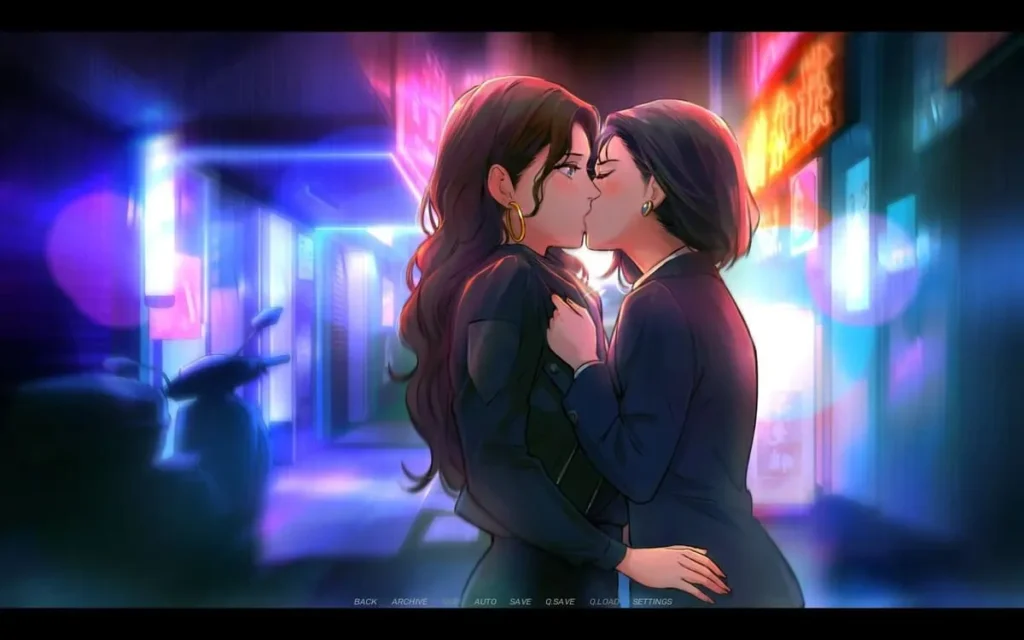






A Summer’s End – Hong Kong, 1986 review
Explore the Captivating Romance Visual Novel Set in 1980s Hong Kong
Imagine stumbling upon a chance encounter in the neon-lit streets of 1986 Hong Kong that sparks a forbidden romance between two women— that’s the heart of A Summer’s End – Hong Kong, 1986. This visual novel isn’t just a game; it’s a lush dive into 80s nostalgia, blending vibrant anime-inspired art, vaporwave tunes, and a poignant story of love, identity, and family pressures. I first played it during a rainy evening, and the emotional pull had me hooked, chasing every dialogue choice. Whether you’re drawn to its romance tale or the optional adult patch for deeper intimacy, this guide uncovers everything to enhance your experience with practical tips and personal insights.
What Makes A Summer’s End Hong Kong 1986 Unforgettable?
I still remember the first time I booted up A Summer’s End – Hong Kong, 1986. It was a rainy afternoon, and I was just looking for something different to play—a story that could pull me into another world. Within minutes, the soft synth soundtrack and the beautifully hand-drawn, neon-drenched streets had me completely hooked. But it was the quiet, earnest conversation between two strangers in a café that truly captivated me. I wasn’t just playing a game; I was being invited into a specific time and place, into the lives of two people whose story felt immediately, palpably real. That’s the magic of this 1986 Hong Kong visual novel. It’s an experience that wraps you in nostalgia, warmth, and the bittersweet pangs of a burgeoning romance, making it completely unforgettable 🌆.
So, what is A Summer’s End? At its heart, it’s a cinematic, choice-driven narrative about connection, identity, and love, framed within a meticulously recreated slice of history. It’s a game that asks you to slow down, to listen, and to feel. And the reason it works so beautifully lies in three perfect ingredients: its compelling protagonists, its authentic setting, and the graceful way your choices shape their journey.
Who Are Michelle and Sam?
The soul of this experience is the Michelle and Sam romance. Their dynamic isn’t built on grand, fantastical meet-cutes, but on the hesitant, authentic steps of two people navigating their own complexities.
Michelle is someone you feel you might know. A young office professional in her late twenties, she’s polished, responsible, and carries the weight of family expectations. Her life is ordered, perhaps a little stifled, defined by long work hours and a conservative family atmosphere. She represents a very relatable reality—the tension between duty and desire.
Then there’s Sam. She’s a breath of fresh, unconventional air. A free-spirited artist and film buff who runs a video store, she’s more openly confident and lives with a creative, independent streak that immediately intrigues Michelle. Sam represents a path less traveled, a different way of being that Michelle finds both intimidating and deeply attractive.
Their chance meeting isn’t fireworks; it’s a spark 💖. A casual encounter that leads to conversations in cafés, walks through bustling markets, and shared viewings of old movies. The writing masterfully builds their chemistry through these small moments. You witness their walls slowly come down as they discuss dreams, fears, and the subtle pressures of their world. The Michelle and Sam romance feels believable because it’s built on dialogue, shared glances, and the growing comfort of simply being together. It’s a testament to the game’s writing that their most romantic moments—like a tentative kiss in the rain—feel earned and deeply moving, rather than melodramatic.
Why 1986 Hong Kong Sets the Perfect Stage?
The setting is far more than just a backdrop in A Summer’s End – Hong Kong, 1986; it’s a silent, vibrant character in its own right. The developers didn’t just set the story in 1986 Hong Kong; they painstakingly evoked it with a level of detail often called “scenery porn” for good reason.
Every frame feels like a love letter to a bygone era. You’ll wander through:
- The neon-soaked chaos of Mong Kok at night, where glowing signs for tea houses and shops bathe the wet streets in electric color 🏙️.
- The tranquil, junk-dotted seascapes of Sai Kung, offering a peaceful escape from the urban hustle.
- The iconic Star Ferry chugging across Victoria Harbour, with its distinctive green and white livery.
- Cramped but cozy cafés (cha chaan teng), bustling street markets, and the distinctive architecture of a city on the cusp of immense change.
These Hong Kong 1986 settings do more than look pretty. They ground the story’s themes. 1986 was a unique moment—a vibrant, multicultural hub under British administration, with the shadow of the 1997 handover looming. This context feeds directly into the characters’ personal conflicts. The conservative social climate, the weight of familial “face,” and the struggle between traditional values and modern identity are all woven into the environment itself. Exploring these locations isn’t just sightseeing; it’s fundamental to understanding Michelle’s internal world and the societal pressures that shape the Michelle and Sam romance.
How Does the Story Unfold with Choices?
A Summer’s End – Hong Kong, 1986 is a visual novel, which means your primary interaction is through dialogue and narrative choices. But don’t mistake this for passivity. Your role is that of a guide, subtly influencing Michelle’s thoughts, feelings, and ultimately, her courage.
The system is elegant. Throughout conversations with Sam (and others), you’ll be presented with response options. These choices don’t just alter the immediate dialogue; they build an invisible Affinity score with Sam. Think of it as steering the emotional current of their relationship. Are you playful or reserved? Do you encourage Michelle to be open, or does she hold back out of fear?
This is where the game story endings branch. Your accumulated affinity, along with a few critical, decisive choices, leads to one of two primary conclusions:
| Ending Type | What It Represents | Key Driver |
|---|---|---|
| The “True” Romantic Ending 💘 | Emotional honesty and courage. This ending sees Michelle and Sam choosing each other openly, navigating the complexities of family and society with a hopeful, united front. It’s fulfilling and emotionally resonant, highlighting growth and commitment. | High Affinity with Sam + making key brave choices that prioritize the relationship. |
| The “Bad” or Melancholy Ending ☔ | Fear and hesitation. This path occurs if Michelle remains too guarded or fails to assert her feelings. It’s not necessarily tragic, but it’s bittersweet—a story of missed connections and roads not taken, reflecting the real cost of inaction. | Low Affinity with Sam + choices that avoid conflict or prioritize external expectations over personal truth. |
The beauty is that neither ending feels like a “game over.” Both are thematically coherent and emotionally valid conclusions to the story you helped shape. The game story endings are about consequence, not punishment.
My actionable advice? Save often at decision points! The game’s chapter-based structure makes it easy to replay for points and explore different dialogue branches. Your second playthrough is often faster and allows you to discover bonus scenes and subtle narrative variations you missed the first time. It’s a rewarding way to see how fragile and beautiful the path to the true ending can be.
Beyond the romance, the story weaves in powerful themes that give it incredible depth:
* Love & Intimacy: The slow, authentic build of a same-sex relationship in a less accepting time.
* Family & Duty: The powerful, often conflicting pull of familial loyalty and tradition.
* Personal Identity: The journey to understand and assert who you are versus who others expect you to be.
* Cultural Clashes: The friction between conservative values and modern, individual desires.
This brings me to one of the most refreshing aspects of A Summer’s End – Hong Kong, 1986. While it deals with serious themes of cultural pressure and family conflict, it does so without relying on tragedy or sensationalism as the primary source of drama. The conflict comes from real, relatable human tension—the difficulty of hard conversations, the fear of disappointment, the ache of wanting something that feels just out of reach. This makes the eventual triumphs feel earned and deeply satisfying.
The replay value is high, not just to see the other ending, but to soak in the atmosphere again, to pick up on foreshadowing you missed, and to spend more time with Michelle and Sam. It’s the kind of story that stays with you, its mood and music echoing in your mind long after you’ve finished. It’s a perfect example of how a 1986 Hong Kong visual novel can be a powerful, poignant, and profoundly human piece of storytelling.
“This game left a permanent mark on my heart. The setting, the characters, the sheer feeling of it all… I haven’t been able to stop thinking about it. It’s more than a game; it’s an experience.” – A shared sentiment from many players on Steam.
A Summer’s End – Hong Kong, 1986 captures the thrill of unexpected love amid 80s Hong Kong’s vibrant chaos, with stunning art, heartfelt dialogue, and meaningful choices that linger long after. From Michelle and Sam’s tender moments to the optional scenes adding passion, it’s a gem for romance fans. Dive in today—grab the game, activate the patch if you crave more intensity, and let its nostalgia sweep you away. What’s your ending? Share in the comments and relive the summer magic.