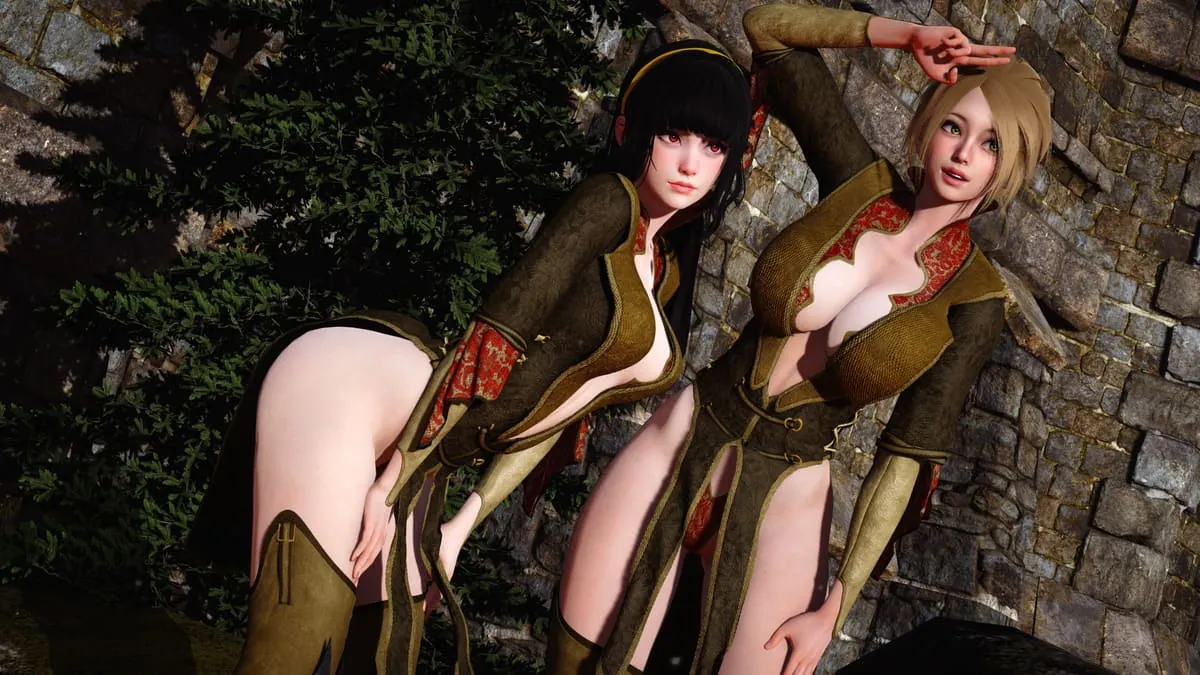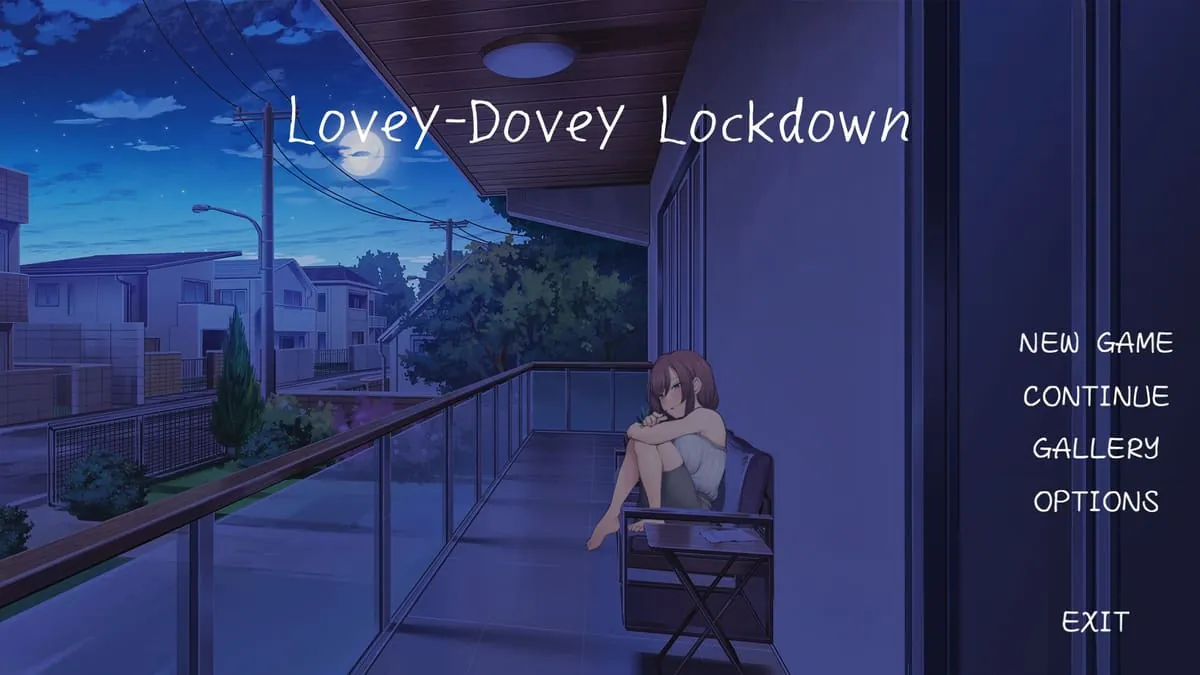
神的不在場SEX Screenshots






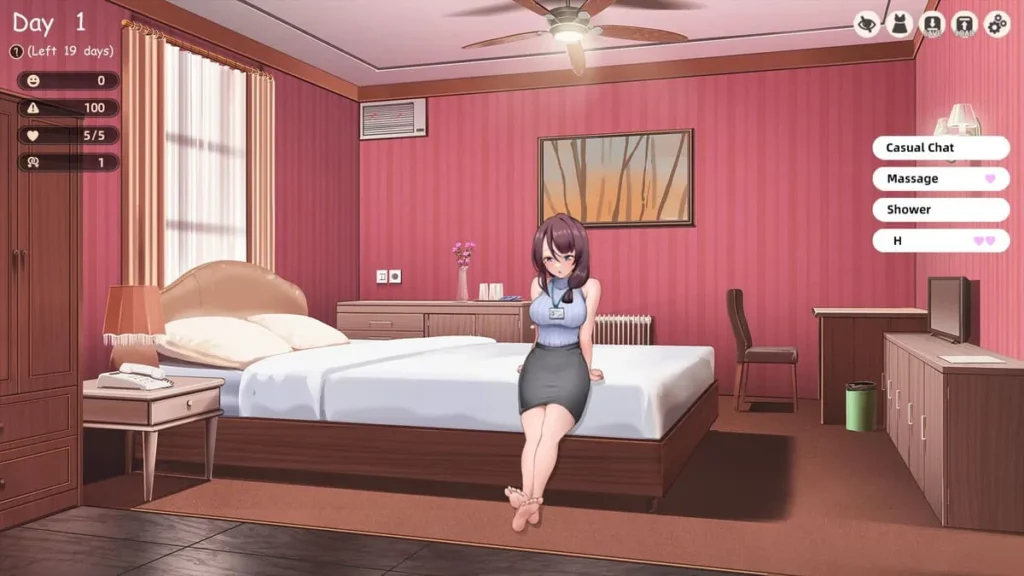
神的不在場SEX review
Exploring the storytelling, mechanics, and emotional depth of this acclaimed indie game
神的不在場SEX has emerged as a standout title in the interactive fiction genre, captivating players with its compelling narrative and innovative mechanics. This Taiwanese-developed game combines mature themes with surprisingly thoughtful storytelling, offering players a branching narrative experience that challenges moral boundaries. Whether you’re curious about the gameplay mechanics, the character-driven plot, or what sets this title apart from other interactive novels, this guide explores every facet of this acclaimed indie creation. The game has garnered significant attention on Steam for its balance between engaging narrative and meaningful player choice.
Understanding the Core Narrative and Setting
Let’s be honest, we’ve all played a visual novel or two where the choices feel… decorative. You pick the “kind” option because you’re a good person, and the story railroads you toward the “good” ending. It’s satisfying in its way, but it rarely mirrors the messy, ambiguous weight of real-life decisions. What if a game asked you to make a choice where every option felt selfish, where the “right” path was shrouded in gray, and the consequences lingered like a ghost? This is the haunting, beautiful space where 神的不在場SEX thrives.
This acclaimed indie title isn’t just a story you read; it’s an emotional labyrinth you navigate, where every turn is dictated by your own morality, desire, and empathy. To understand its power, we must first peel back the layers of its foundational setup—a premise that is equal parts romantic, tragic, and divinely mischievous.
The Premise: A Divine Intervention 🕋
The 神的不在場SEX plot begins not with fantasy, but with a painfully relatable slice of life. You play as a protagonist who, during a work trip, reunites with Li Ruoli, a senior from university you once quietly adored. The reunion is tinged with that specific brand of bittersweet nostalgia—the “what could have been” thoughts that flicker to life when seeing someone from your past.
But reality swiftly intrudes. Ruoli is now married. That simple, devastating fact casts a long shadow over your casual meet-up. The old feelings are there, but they’re now framed by a boundary that feels absolute. This is where the game masterfully pivots from mundane realism to provocative magical realism. A sudden, inexplicable divine intervention—or perhaps a curse—traps the two of you in a mysterious room. The rule is absurd and cruel: you cannot leave without engaging in intimate contact.
Think of it less as a titillating setup and more as a narrative pressure cooker. The external supernatural rule intensifies the internal, very human conflict exponentially.
This isn’t a premise about seduction; it’s a premise about pressure. It forcibly amplifies the existing emotional static between two people. Ruoli is now wrestling not just with residual fondness for you, but with her vows, her identity as a wife, and the terrifying, surreal situation. You, the player, are wrestling with a moral catastrophe. Is it more cruel to pressure someone in distress, or to remain trapped together in a growing state of desperation? The game immediately establishes that its core isn’t about fantasy fulfillment, but about exploring moral choice visual novel dynamics at their most intense. The 19-day timeframe becomes a ticking clock, not for action, but for emotional decay and difficult decisions.
Character Development and Relationship Dynamics 💔
What elevates 神的不在場SEX from a thought experiment to a profound experience is its commitment to character. Ruoli is not a plot device; she is a fully realized person whose thoughts, fears, and loyalties are communicated with aching clarity. The protagonist is not a blank slate, but a vessel for the player’s own ethical reasoning, whose own history and lingering feelings color every interaction.
The character relationship dynamics are the engine of the entire story. This isn’t a dynamic of pursuer and pursued. It’s a delicate, painful dance between two people who care for each other, placed in an impossible scenario. Ruoli’s internal struggle is palpable—her moments of weakness, her resolute guilt, her flashes of anger at the situation and at herself. Your choices directly influence her emotional state, her trust in you, and her view of her own marriage.
The game excels at showing how small interactions build (or destroy) connection. A comforting word, a shared memory, respecting a boundary, or a moment of shared frustration against their divine prison—each choice feeds into a complex web of trust and tension. It explores how intimacy can be built through conversation, vulnerability, and mutual suffering, not just physicality.
To visualize this emotional tug-of-war, let’s break down their core conflicts:
| Character | Core Internal Conflict | Primary Motivation | Greatest Fear |
|---|---|---|---|
| Li Ruoli | The clash between lingering affection/memory of the past and her present-duty, loyalty, and love for her husband. | To resolve the situation without betraying her marriage or her own sense of self. To survive the ordeal with her integrity intact. | Losing herself—either by succumbing to the situation and hating herself, or by being permanently damaged by the trauma of the experience. |
| The Protagonist (You) | The tension between selfish desire (old love, new proximity) and genuine concern for Ruoli’s wellbeing and happiness. | To protect Ruoli from further pain, while also navigating your own reawakened feelings and the desperate need to escape. | Becoming the source of Ruoli’s ruin, or being the one who pushes her into a choice she eternally regrets. |
This table shows why the narrative is so compelling: both characters are sympathetic, both are victims of circumstance, and both have motivations that can directly contradict. Your role as the player isn’t to “win” Ruoli, but to guide this fragile relationship through an unimaginable storm. The interactive fiction narrative lives and dies on whether you believe in their connection and their individual pains.
Moral Complexity and Narrative Branches 🌳
Here’s where the magic of 神的不在場SEX truly unfolds. Every dialogue option, every action (or inaction), isn’t just about increasing a “love” meter. It’s about shaping the psychological and moral landscape of the story. The game features a narrative consequence system that is remarkably subtle. Choices don’t just lead to Branch A or Branch B; they alter character attitudes, unlock or permanently close future dialogue options, and change how information is revealed.
This is the heart of its design as a branching storyline game. Let me give you a concrete example from my own playthrough—one that stuck with me for days.
Example: Early on, Ruoli receives a phone call from her husband. You are given a choice: listen intently to the conversation, deliberately distance yourself to give her privacy, or make a small noise to remind her of your presence.
- If you listen intently, you might glean details about her marital relationship, which can inform your future strategies. However, Ruoli may notice your eavesdropping later, leading to a loss of trust and a more defensive, colder demeanor. A later conversation where she might have opened up about her fears remains locked.
- If you give her privacy, you demonstrate respect. This builds subtle trust. Later, she might volunteer information about her husband’s personality, not out of guilt or pressure, but from a place of seeking genuine connection and advice. This can open up a completely different, more collaborative story path in the middle acts.
- If you remind her of your presence, you assert the reality of the situation aggressively. This might push the “plot” forward faster by heightening the immediate tension, but it risks framing you as an antagonist in her eyes, making her subsequent interactions more transactional and desperate, potentially steering the story toward darker, more tragic endings.
See how that works? A single, seemingly minor choice isn’t about being “nice” or “mean.” It’s about defining who you are in this crisis and, in turn, who Ruoli becomes in response to you. This ripple effect is what creates the game’s famed multiple endings interactive story scope. With over nine endings, your conclusions range from tragically pure and self-sacrificing, to bittersweet and ambiguous, to deeply unsettling.
The endings aren’t simply labeled “Good” or “Bad.” They are reflections of the path you carved. Did you cultivate mutual respect and tragic love? A pragmatic, emotionless escape? A destructive obsession? The game’s brilliance is that it incorporates real-world social commentary on marriage, obligation, and personal desire without ever preaching. It presents the system—the societal and personal rules—and then observes what happens when two people are placed outside of it.
Ultimately, the 神的不在場SEX plot uses its provocative framework to tell a fundamentally pure, often heartbreaking story about human connection. The tension between pure love and transgressive circumstance is what generates its incredible emotional depth. You’re not playing to see a scandal; you’re playing to witness a relationship being stress-tested in the most extreme way possible, and to discover what, if anything, remains standing at the end. It’s a masterclass in using interactive fiction narrative mechanics to explore the shadows of the human heart.
神的不在場SEX represents a thoughtful approach to mature interactive fiction, proving that games with provocative premises can deliver meaningful storytelling and emotional depth. The combination of its branching narrative, innovative Karma Mirror system, and respect for player agency creates an experience that resonates with both casual players and dedicated fans of the genre. What distinguishes this Taiwanese indie title is its commitment to character development and moral complexity—the game doesn’t rely solely on shock value but instead uses its premise to explore genuine emotional conflict and consequence. Whether you’re drawn to interactive novels, appreciate nuanced character relationships, or seek games that challenge your moral choices, this title offers a compelling experience worth exploring. The game’s success on Steam demonstrates that there’s significant audience appreciation for well-crafted interactive fiction that balances mature themes with genuine narrative substance.