
Summer’s Gone
Developer: Oceanlab
Season 1 Steam + DLC
Developer: Oceanlab

Developer: STWAdev

Developer: Nefastus Games

Developer: CedSense

Developer: Winterlook

Developer: Ceolag

Developer: Mobum

Developer: Agent Red Studio

Developer: Remtairy
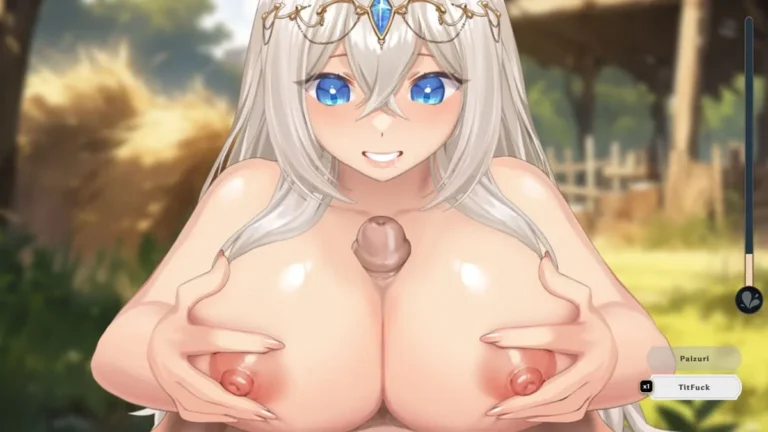
Developer: TopHouse Studio, AniCore Team

Developer: Perverteer

Developer: NLT Media

Developer: AlterWorlds

Developer: VoidPilgrim

Developer: WickedWare

Developer: DriftyGames

Developer: WillTylor
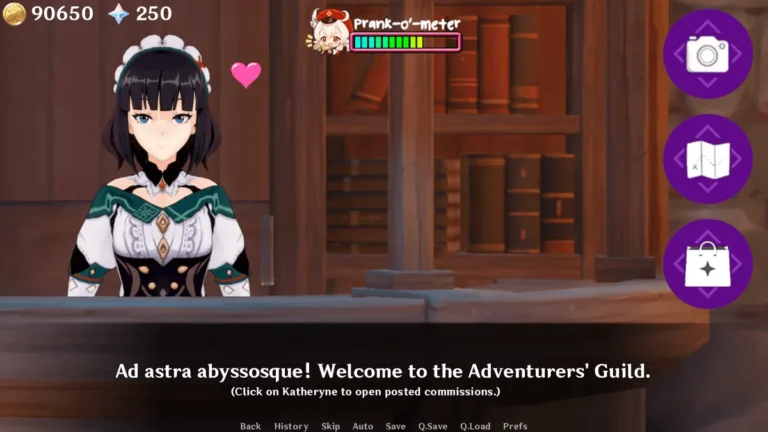
Developer: Pinkmochidango

Developer: PandaLoverGames

Developer: Mr.C

Developer: FutadomWorld
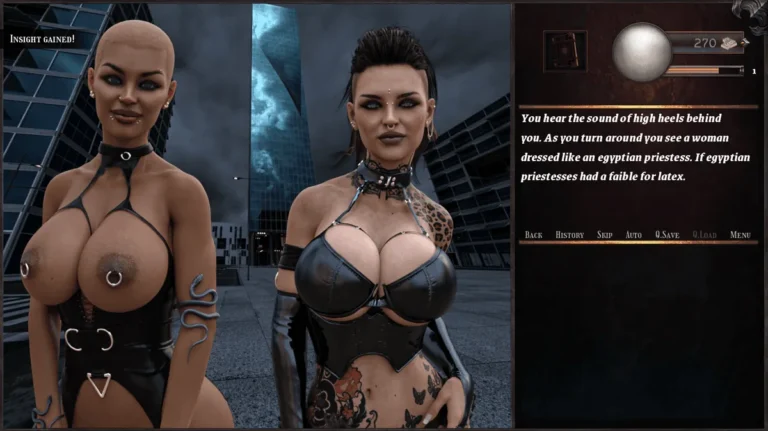
Developer: Darktoz

Developer: P_S_Y_C_H_O

Developer: MobumGames

Developer: AtemX Games
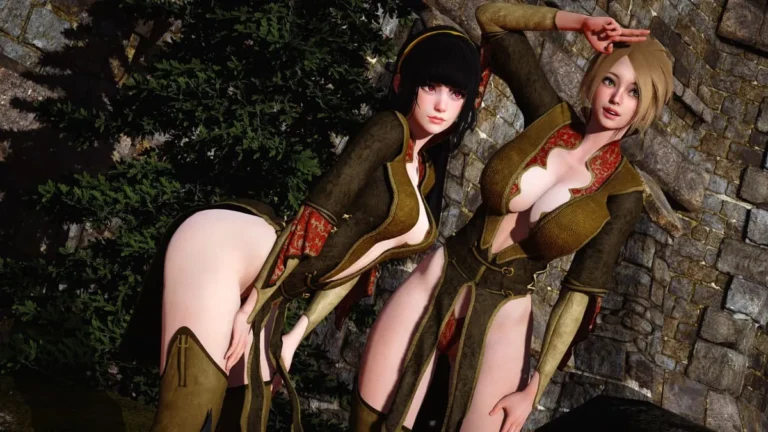
Developer: Caribdis

Developer: Bloody Ink

Developer: Tako Yuh

Developer: Dodongamagnifico

Developer: SparkHG

Developer: Smoke Mob Games

Developer: Damned Studios

Developer: Maks

Developer: Ashen Bunny

Developer: 1Thousand

Developer: TK8000

Developer: Tim.E.Pants Games

Developer: Hydrahenker
Developer: Eighth

Developer: Az
Developer: Tired Txxus

Developer: STWAdev

Developer: OrbOrigin

Developer: ERONIVERSE

Developer: DecentMonkey

Developer: HappyDaedalus

Developer: Vander

Developer: k78Games

Developer: Empiric

Developer: Meorless

Developer: WifeTrainer

Developer: Winterlook

Developer: R.J. Rhodes

Developer: Caramel Cowboy

Developer: Wizard's Kiss

Developer: PiXel Games

Developer: RAinces


Developer: Dokiden

Developer: Andrealphus Games
The adult gaming industry has evolved significantly over the past two decades, becoming a substantial segment of the broader gaming market. Global adult games represent a diverse ecosystem spanning multiple regions, platforms, and genres, from visual novels to interactive experiences. Understanding the Global landscape requires examining regional preferences, cultural differences, regulatory frameworks, and technological advancements that shape how adult-oriented games are developed, distributed, and consumed worldwide. This comprehensive guide explores the multifaceted world of Global adult gaming, providing insights into market trends, regional variations, and the industry’s continued growth across international markets.
Remember the first time you stumbled across a game that felt… different? 🎮 For me, it was in the late 90s, on a clunky PC that whirred like a jet engine. The game was a pixelated import from Japan, and it was a revelation. It wasn’t just about the content; it was the realization that what was considered mainstream entertainment in one part of the world was a niche, underground discovery in another. This early peek behind the curtain sparked a lifelong curiosity about the vast, complex, and often misunderstood global adult gaming market.
Today, that market is no longer hidden in the shadows of shady websites or physical imports. It’s a sophisticated, multi-billion-dollar segment of the wider entertainment industry, pulsing with innovation and defined by fascinating worldwide adult game trends. Understanding it isn’t just about statistics; it’s about grasping a unique slice of cross-cultural gaming experiences that reveals as much about our societies as it does about our desires. So, let’s pull back the curtain and explore the intricate landscape where digital entertainment meets mature themes on a worldwide scale.
The story of adult gaming is a tale of parallel evolution, where technology, culture, and commerce collided at different speeds across the globe. 🌍
It arguably began in Japan in the early 1980s with the dawn of the “eroge” (erotic game). These were primarily text-based adventures or visual novels where romantic or intimate relationships were central to the narrative. Titles like Night Life (1982) were primitive by today’s standards, but they established a formula: story-first, character-driven experiences. This foundation created a lasting legacy, making narrative depth a cornerstone of the adult gaming scene in Asia. Meanwhile, in the West during the same era, adult content was more often a crude addition to existing genres—hidden codes in mainstream titles or simple, graphic-focused games distributed on platforms like the Commodore 64 through mail-order catalogs.
The real divergence happened with the rise of the personal computer and the internet. In Japan and later South Korea, the adult gaming industry became semi-mainstream, with dedicated developers, publishers, and even retail shelves for certain titles. Series like To Heart or Kanon (which later spawned all-ages, mainstream anime adaptations) showed how these stories could have broad appeal beyond their intimate scenes. The Western market, however, remained largely decentralized and DIY for much longer, shaped by a patchwork of stricter regulations and different social attitudes.
The great convergence began in the 2010s. Digital distribution platforms like Steam, Patreon, and itch.io demolished geographical barriers. A developer in Poland could now directly reach a player in Texas or Tokyo. This international adult gaming industry was suddenly just that: international. Western titles began adopting the strong narrative focus of Eastern visual novels, while Eastern developers started exploring more open-ended gameplay and 3D graphics popular in the West. The old regional silos started to break down, giving rise to the hybrid, globally-aware market we see today.
Trying to pin down exact numbers for this market is like nailing jelly to a wall—it’s slippery and much of it exists outside traditional tracking. However, by piecing together data from platform sales, crowd-funding, and industry analysis, a clear picture of robust Global gaming market growth emerges. 📈
Analysts consistently point to it being a multi-billion-dollar segment annually. While a fraction of the entire video game market’s value, its growth rate often outpaces the broader industry. This isn’t a stagnant niche; it’s expanding rapidly. The driver? Democratization. Tools like Unity and Unreal Engine have empowered small teams, even solo developers, to create professional-quality content. Crowdfunding on Patreon and SubscribeStar allows creators to build sustainable businesses with direct community support, often generating revenues that rival small studio releases.
This financial ecosystem supports a diverse Global player demographics. It’s a common misconception that this audience is narrow. Data suggests a broad base:
* Age: While core engagement is in the 25-45 range, it spans from legal adults to older players.
* Gender: The audience is more gender-diverse than often assumed, with a significant and growing number of female players, particularly in narrative-rich and “otome” (female-targeted romance) genres.
* Geography: Truly global, with high engagement in North America, Europe, East Asia, and growing interest in Latin America and Eastern Europe.
This growth is fueled by a key trend: the demand for quality. Players are no longer satisfied with simplistic titles. They seek compelling stories, memorable characters, polished gameplay, and high-fidelity graphics. The adult element is increasingly seen as one component of a larger, well-crafted experience, not the sole defining feature.
To visualize the global adult gaming market landscape, let’s break down some key regional characteristics:
| Region | Estimated Market Share | Key Player Demographics | Preferred Game Types / Notes |
|---|---|---|---|
| Asia (Japan, S. Korea) | ~40-50% | Broad age range, historically male-dominated but with strong female segments for otome. | Visual Novels, Dating Sims, RPGs. Strong narrative focus. Mobile platforms significant. |
| North America | ~25-35% | 25-40, increasingly gender-diverse. | Sandbox/SLife Sims, RPGs, Action-Adventure. Emphasis on player agency and 3D graphics. |
| Europe | ~15-25% | Similar to NA, with strong engagement from Western & Northern Europe. | Simulation, Strategy, Narrative Adventures. Often embraces artistic and avant-garde themes. |
| Emerging Markets (Latin America, Eastern Europe) | ~5-15% (Fastest Growth) | Younger demographic (18-30), price-sensitive. | Varied, often following Western trends. A key region for new developer talent. |
This is where the global adult gaming market gets truly fascinating. Beneath the surface of a seemingly unified industry lie deep-seated regional gaming preferences shaped by centuries of culture, social norms, and legal frameworks. Understanding these differences is the key to understanding the market itself.
Asia: The Narrative Powerhouses 🇯🇵🇰🇷
In Japan and South Korea, adult games are often an extension of established storytelling traditions. The visual novel is king here. These games are less about interactive freedom and more about experiencing a carefully crafted story with branching paths. Character development, emotional arcs, and elaborate dialogue are paramount. The adult content is frequently integrated as a narrative climax or relationship milestone. There’s also a stronger acceptance of specific archetypes and art styles (anime/manga aesthetics) that are deeply ingrained in the broader pop culture. Mobile platforms are huge here, with many story-driven experiences designed for on-the-go play.
The West: Freedom and Simulation 🇺🇸🇪🇺
North American and European players tend to prioritize agency and world-building. Popular genres include life simulators, sandbox games, and role-playing games where players can shape their own story. Think of games like The Sims (with its infamous modding community) or ambitious indie RPGs—the desire is to inhabit a world, not just witness a story. Western titles often feature more realistic 3D graphics and place a higher value on gameplay systems like skill trees, crafting, and open-world exploration. The content is often more directly tied to player choice and consequence.
Europe’s Artistic Edge: It’s worth noting that parts of Europe, particularly countries like Germany and the Czech Republic, have a history of producing adult games with a distinctively artistic or even avant-garde approach, blending mature themes with philosophical or political commentary.
The Regulatory Chokepoints: 🚧
These preferences are massively influenced by local laws. Japan’s Article 175 obscenity laws, while complex, have historically shaped content toward more cartoonish or censored depictions. South Korea had a near-total ban on most adult game content until recent years. Meanwhile, in the West, obscenity laws can vary wildly by state in the US or by country in the EU, but the larger barrier has been platform policy. Major storefronts like Apple’s App Store, Google Play, and even Steam have restrictive and inconsistently applied rules, which has pushed the Western market toward independent distribution and has made cross-cultural gaming experiences sometimes require workarounds for players.
A Developer’s Tip: If you’re looking to publish globally, never assume one version fits all. Research local regulations and platform policies first. Sometimes, creating two versions of a game—one for global platforms and one uncensored for direct sales—is the most viable strategy.
Case Study: The Tale of Two Localizations
Let’s take a hypothetical but very real-feeling game, “Chronicles of the Eclipse Tower.” It’s a story-driven RPG with mature romance options, developed by a mid-sized studio in Eastern Europe.
This example shows that success in the international adult gaming industry isn’t just about translation; it’s about cultural adaptation.
The worldwide adult game trends are inextricably linked to technological advancement. This sector is often an early adopter, pushing tech to its limits to create more immersive experiences.
Virtual Reality (VR) is the obvious game-changer. 🥽 It moves the experience from watching a screen to being present. This has profound implications for intimacy and presence in games. While still a niche due to hardware costs, VR adult content is a major driver of headset adoption for some users and represents the bleeding edge of immersive design.
Artificial Intelligence (AI) is revolutionizing development. From generating dynamic dialogue and creating unique character responses to upscaling art and animating scenes, AI tools are allowing small teams to achieve a scale and polish previously reserved for large studios. We’re also seeing early experiments with AI-driven non-player characters (NPCs) that can hold unique conversations, creating potentially limitless cross-cultural gaming experiences.
Graphics and Animation have seen a quantum leap. The era of static 2D sprites is fading, replaced by complex 3D models with sophisticated animation rigs. Tools like motion capture are now accessible to indie developers, resulting in fluid, realistic movement that greatly enhances the believability of characters and scenes.
Distribution: The Digital Bazaar
Gone are the days of physical media. Today’s global adult gaming market lives on a mix of platforms:
* Mainstream Storefronts (Steam, GOG): The largest reach but with strict content policies. Many adult games use “all-ages” versions with free, external patch systems.
* Direct Sales (itch.io, Developer Websites): Offers the most control and highest revenue share for creators. The heart of the indie scene.
* Subscription Platforms (Patreon, SubscribeStar): The engine for ongoing development. Fans subscribe for monthly updates, builds, and behind-the-scenes access, creating a stable income for developers.
* Mobile Stores: A challenging landscape due to strict bans, but web-based distribution and certain regional stores provide access.
Global Communities: Sharing Without Borders 🌐
The internet has fostered vibrant, global communities. Forums, Discord servers, and subreddits buzz with activity where players from Tokyo, São Paulo, and Berlin share recommendations, discuss mods, and translate content for each other. This grassroots network is a powerful force for worldwide adult game trends, making a hit in one region quickly spread to another. Fan translations (often called “fanTLs”) are particularly crucial for bringing non-English games to a global audience and vice-versa.
The Ripple Effect: Economic Impact
The economic impact of this international adult gaming industry is significant. It has created a viable career path for thousands of developers, artists, writers, and animators worldwide. Successful projects can fund small studios for years. It also fuels adjacent industries:
* Payment Processors: Specialized services that handle “high-risk” transactions.
* Digital Rights Management (DRM) and Hosting: Specialized for adult content.
* Marketing and PR Firms: That understand the unique nuances of the space.
* Content Moderation Services: Essential for community management.
For a solo developer in the Philippines or a small team in Sweden, this global market represents an opportunity to build a sustainable business doing creative work, directly supported by a passionate international fanbase. That, perhaps, is the most powerful trend of all: the democratization of creation and connection in a truly global adult gaming market.
The landscape is complex, shaped by invisible lines of culture and law, but united by a shared human interest in storytelling, fantasy, and connection. As technology continues to evolve and global communities grow tighter, one thing is certain: this vibrant, challenging, and innovative corner of the gaming world will continue to be a fascinating mirror to our global player demographics and their ever-changing desires. The game, as they say, is just beginning.
The Global adult gaming landscape represents a dynamic and evolving sector of the international entertainment industry, characterized by diverse regional preferences, innovative storytelling approaches, and continuous technological advancement. From the established markets in Asia to the growing communities in Western regions, Global adult games have transcended cultural boundaries to create a truly international gaming experience. The industry’s success stems from its ability to balance adult content with compelling narratives, sophisticated gameplay mechanics, and meaningful player engagement. As regulatory frameworks continue to develop and technology enables new forms of interactive experiences, the Global adult gaming market will likely see further expansion and innovation. Whether you’re a casual player exploring new titles or a dedicated enthusiast following industry trends, understanding the Global landscape provides valuable insights into one of gaming’s most dynamic and culturally significant segments. The future of Global adult gaming promises continued evolution, with emerging technologies and international collaboration shaping the next generation of interactive experiences.
Have a favorite adult game that's not in our collection? Let us know and we might feature it!
Contact Us